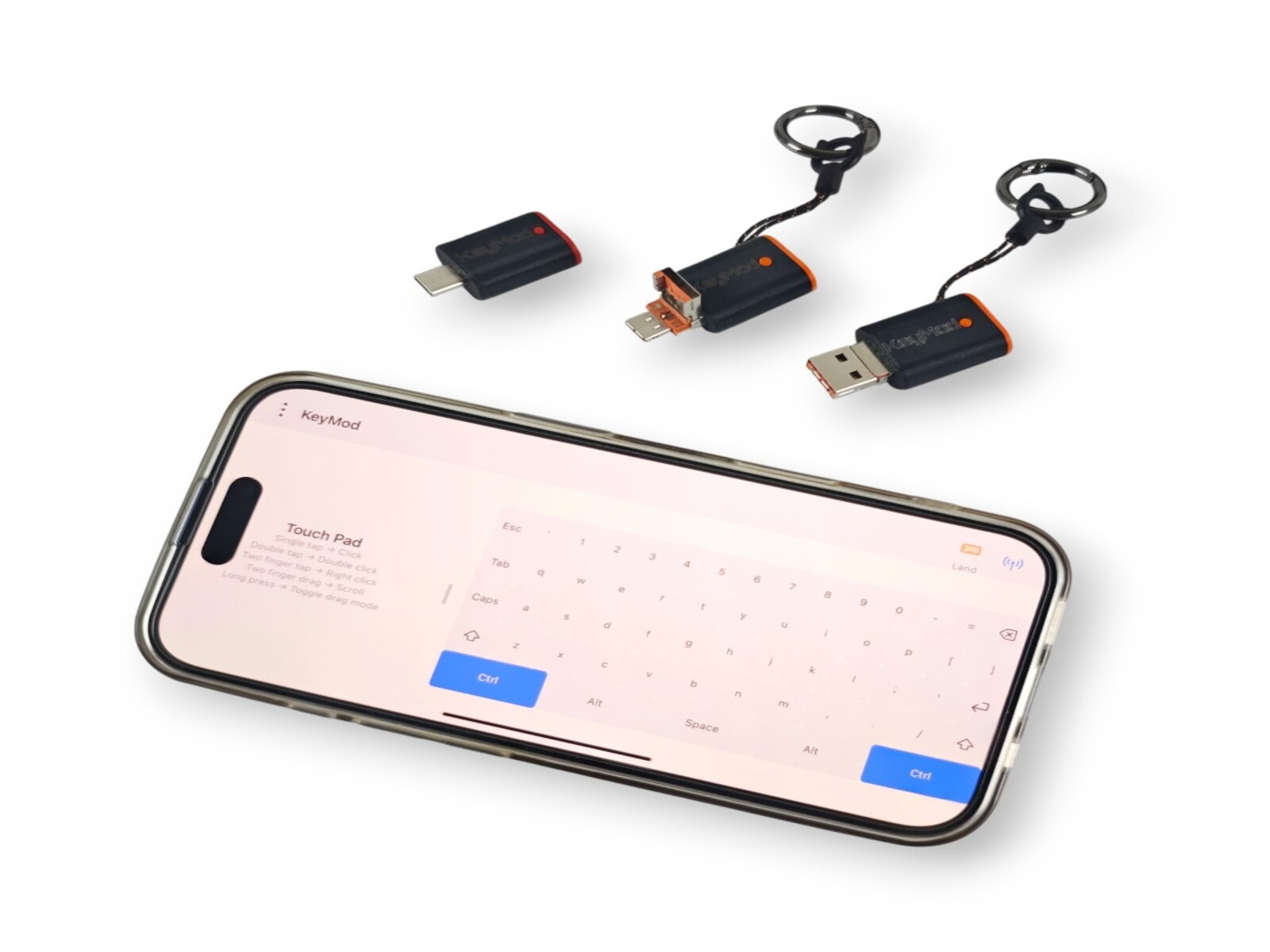
Openterface KeyMod is a compact USB/Bluetooth HID emulator that turns your phone into a portable keyboard and trackpad. This project shows a quick, repeatable setup for local control of kiosks, signage players, mini PCs, and lab rigs when a full keyboard and mouse aren’t at hand.
Overview
Openterface KeyMod is a compact USB and Bluetooth HID emulator that turns a phone into a portable keyboard and trackpad. When a target device has video output but input access is inconvenient, KeyMod provides quick, local control with a minimal kit.
The core idea is simple: KeyMod enumerates as a standard HID keyboard and mouse, so the target stays “clean” and typically requires no software installation.
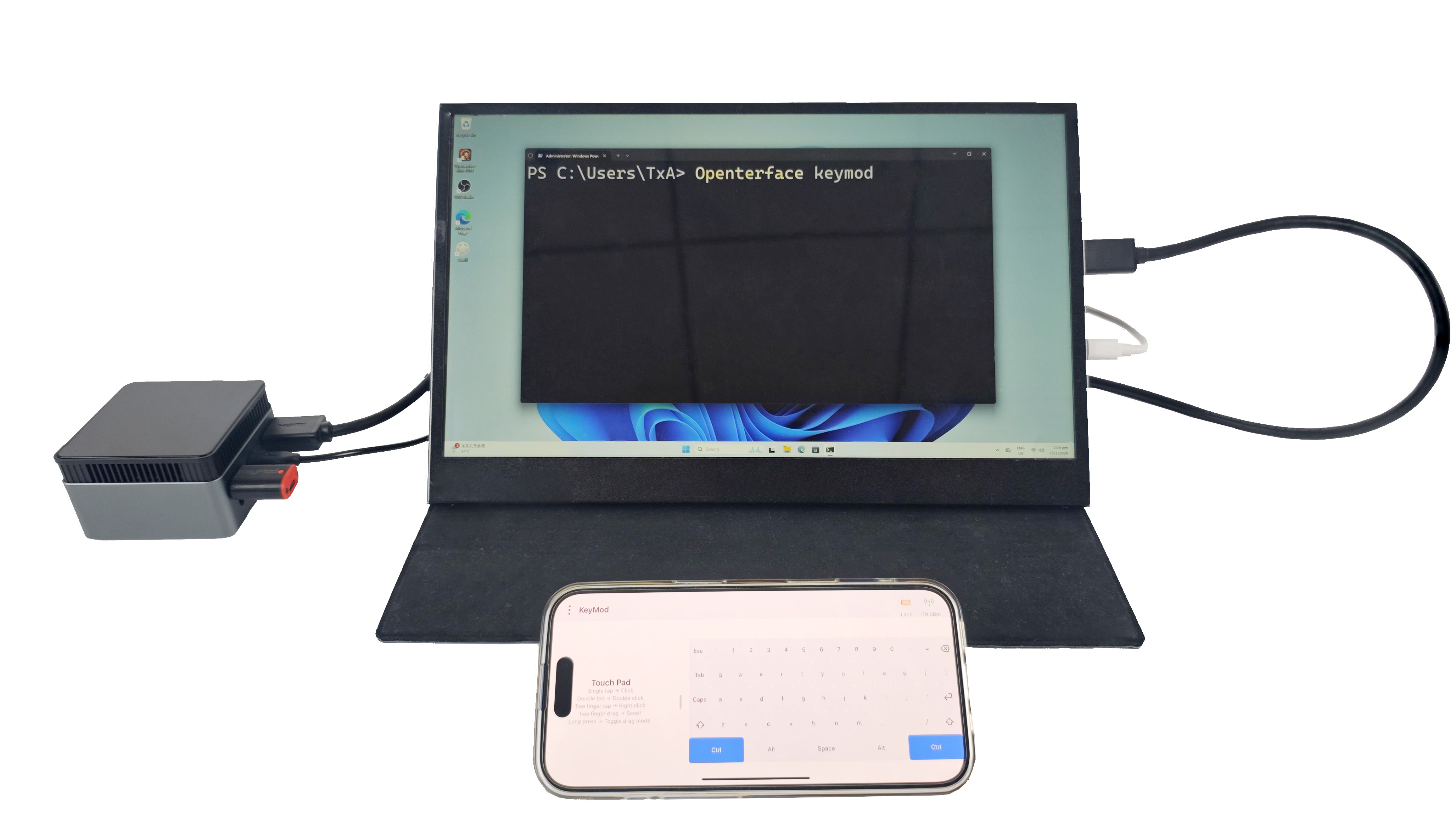
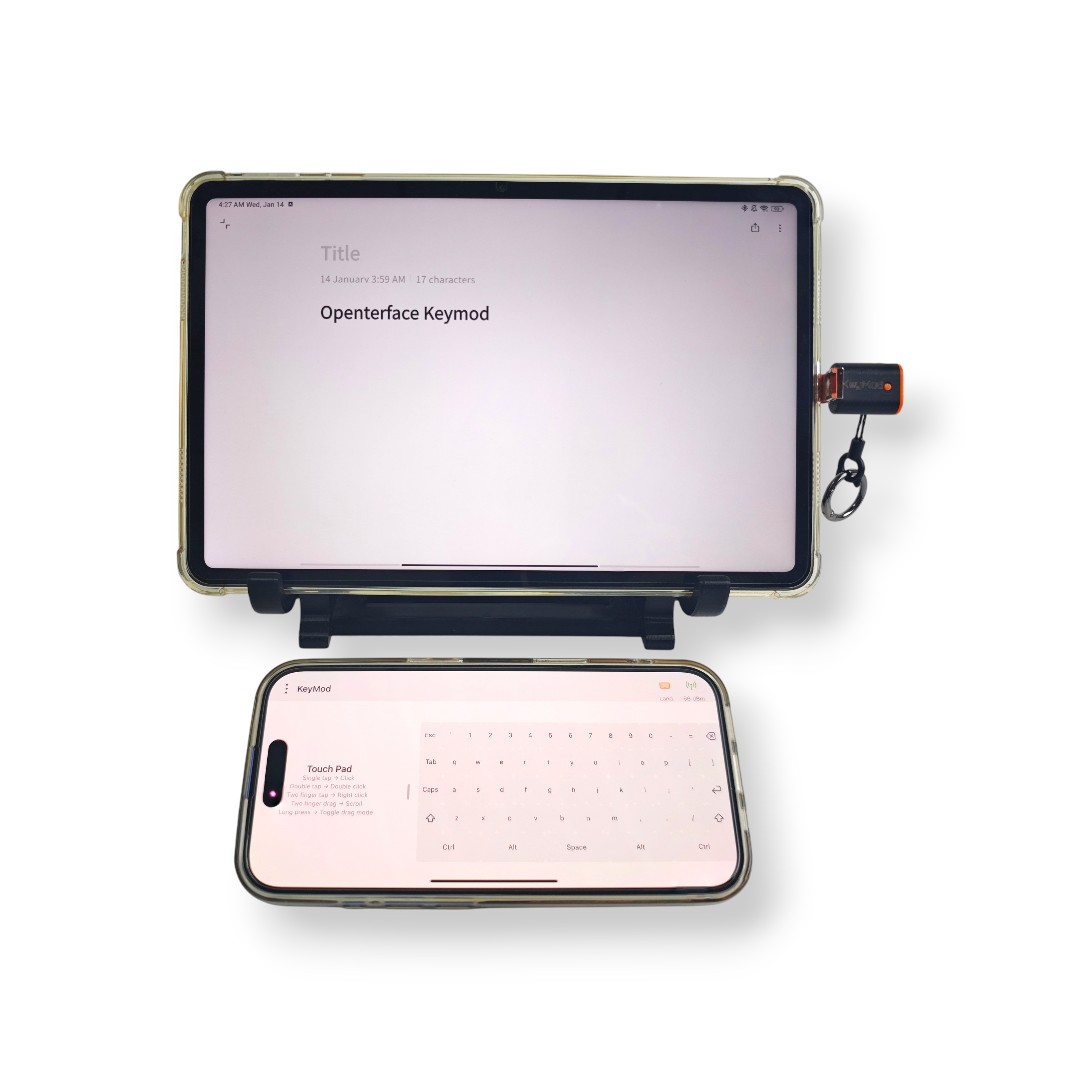
Field-style setup: phone-driven HID input for quick local control of a target device
Why this exists
In real deployments, the painful moments are rarely about compute. They’re about access. You might have a kiosk behind a panel, a signage player mounted overhead, a mini PC tucked into a rack, or a lab rig on a bench where a full keyboard and mouse aren’t readily available. Network access may be restricted, unreliable, or intentionally avoided, making remote desktop an imperfect fit.
KeyMod is built for those “just need input right now” tasks: quick configuration, recovery, verification, and on-site troubleshooting.
What it does
KeyMod focuses on practical, repeatable local control rather than replacing a full workstation setup.
Typical scenarios
- Kiosks and digital signage players
- Set-top boxes and smart TV devices
- Mini PCs used as utility machines
- Lab rigs and test benches
- Field troubleshooting and demos
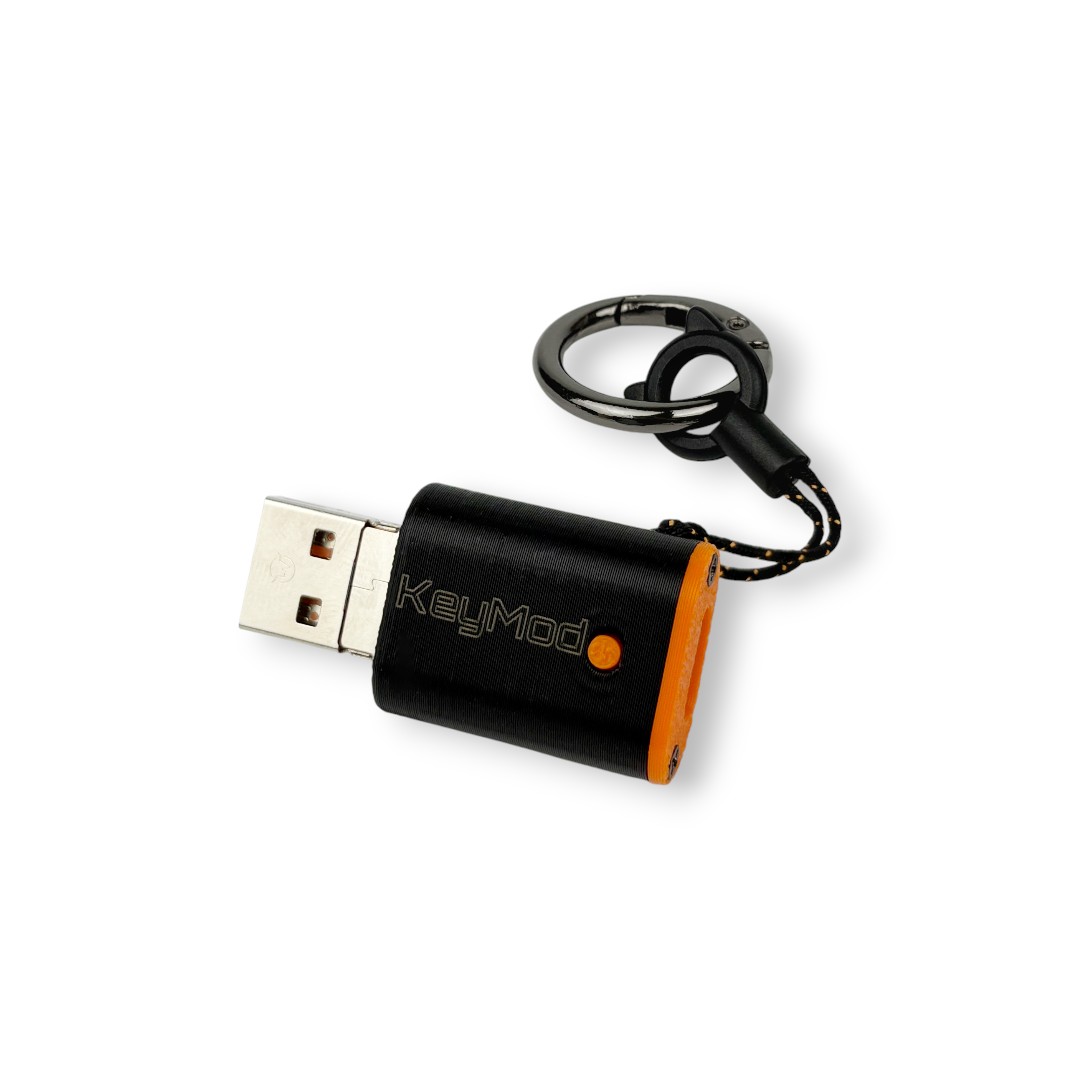
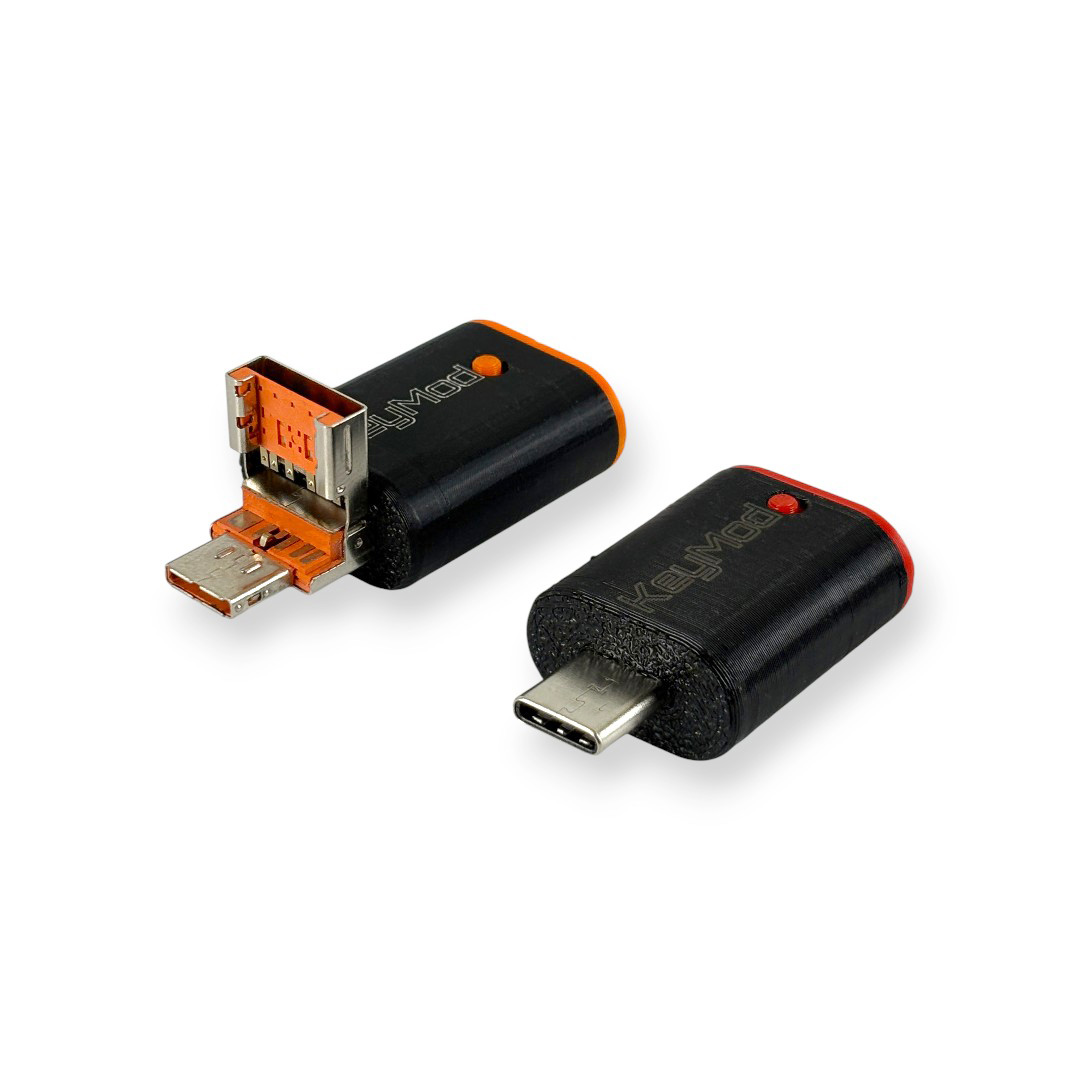
KeyMod close-up: a compact HID input tool designed for quick local access
Key features
- USB HID keyboard and mouse emulation for plug-and-play local input
- Bluetooth HID support for cable-light workflows (when pairing makes sense)
- Phone-based control UI for on-demand typing and pointer control
- Custom profiles for hotkeys, shortcuts, and simple macro-style triggers
- Advanced layouts (exploration) including keypad mode and gamepad-style mapping
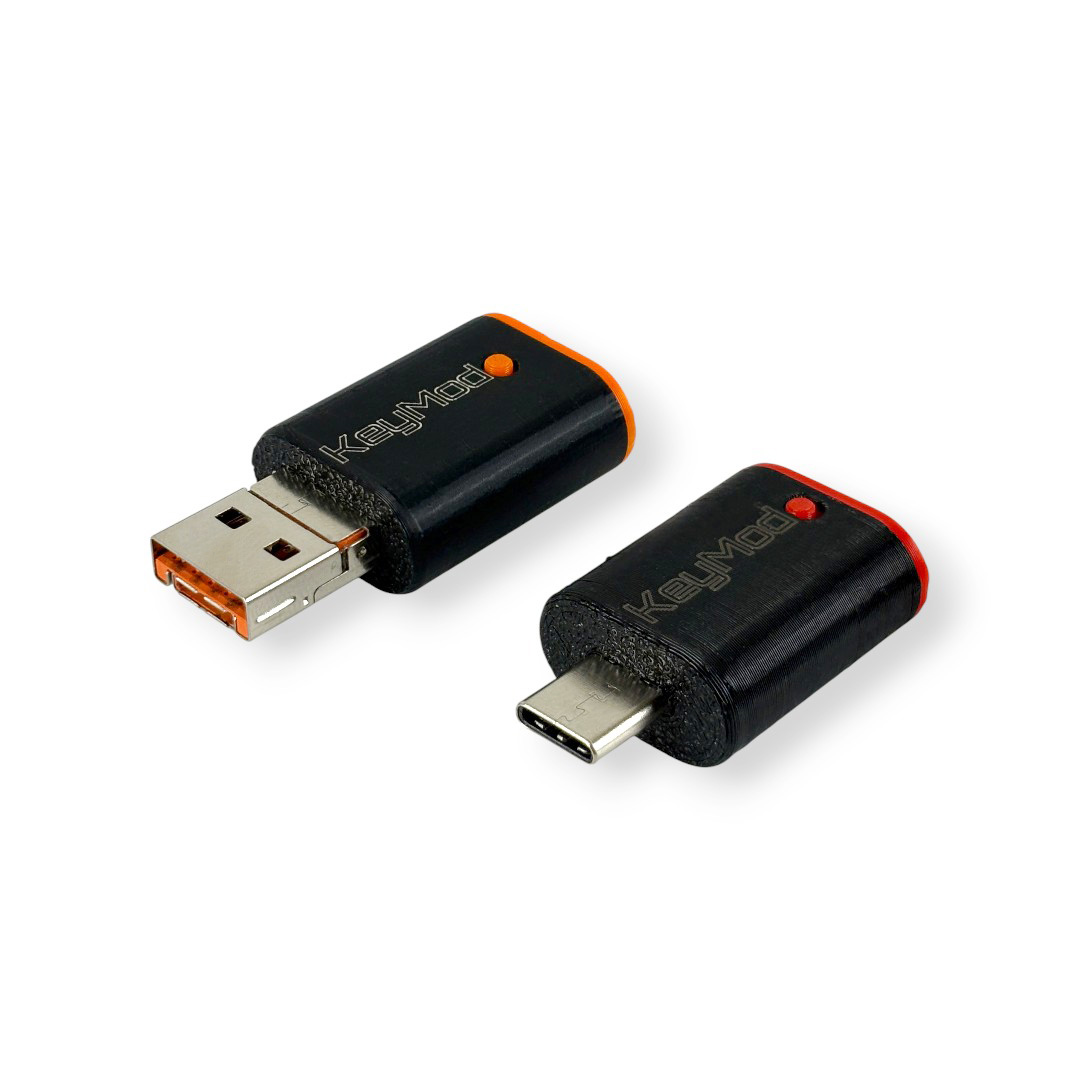
- Planned connector options
2-in-1 flip-up USB Type-A + USB Type-C
dedicated USB Type-C version
Connector options in development: 2-in-1 USB-A plus USB-C, and dedicated USB-C
- Open source direction with plans to publish schematics, PCB files, firmware, software, and BOM as the project evolves
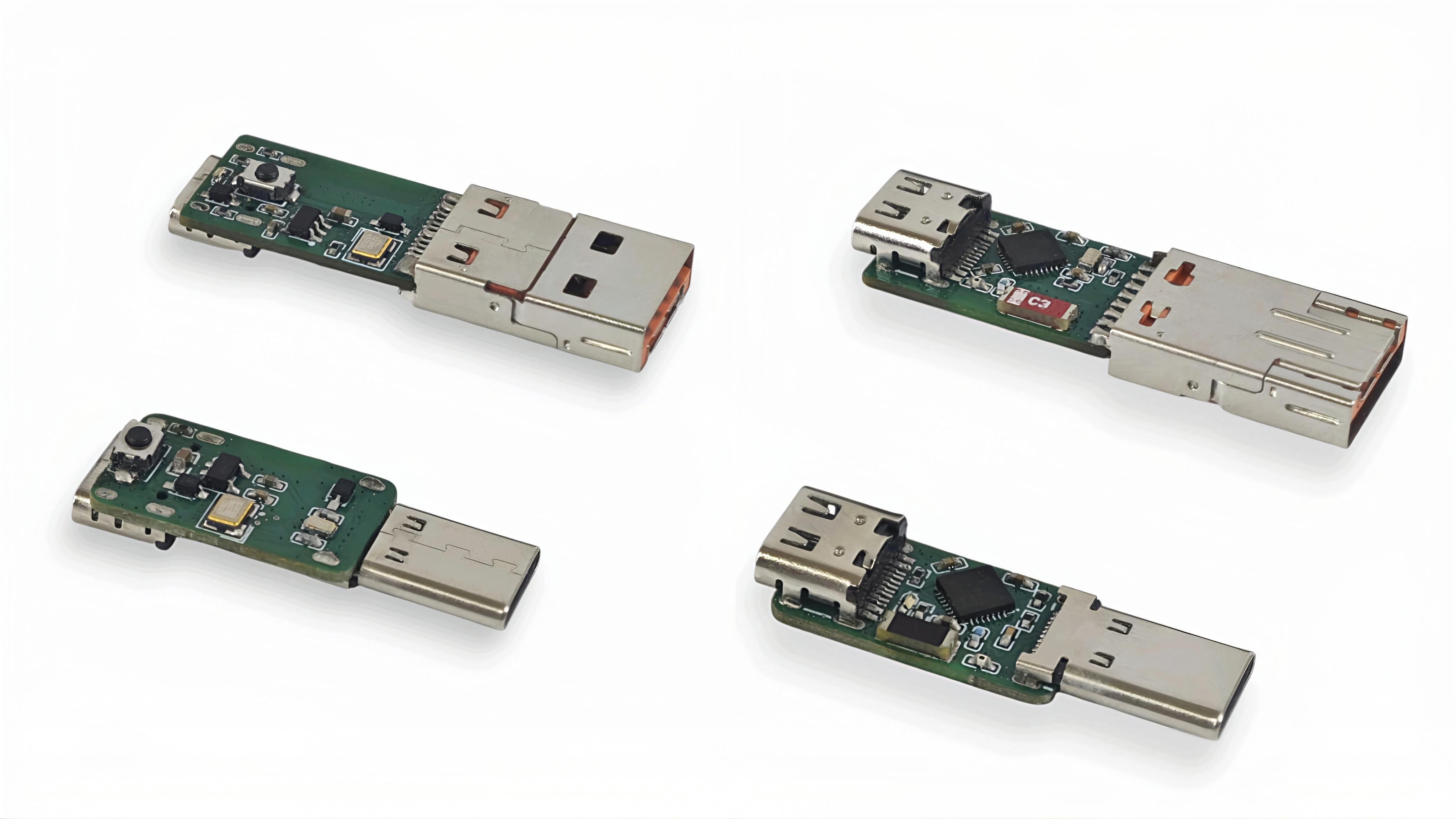
Prototype hardware: early boards used to validate HID behavior and connectivity
What we’d love feedback on
- Where do you most often need quick local input (kiosks, racks, lab rigs, edge boxes)?
- Which workflows should be optimized first (BIOS/login, provisioning, maintenance, recovery)?
- What should an ideal profile include (hotkeys, macros, layout presets)?
- Would multilingual voice-to-text typed via HID be useful in your work, and what’s the must-have behavior?
Mobile-first workflow: using a tablet and phone UI for portable local input
Current status
KeyMod is under active development and prototyping. We’re refining input “feel”, reliability, and profile design through iterative testing and community feedback. The goal is to keep the workflow lightweight and predictable across different target environments.
A small teaser (experimental)
AI is showing up across daily workflows, so we’ve been exploring whether a pocket input tool can benefit from it too. One early direction is voice-to-input, where spoken phrases in different languages could be converted into text and typed on the target via HID. This is prototype-level exploration, and we’re still learning what real-world behavior would be most useful.
Follow updates
We’re posting build updates and launch timing on Crowd Supply here