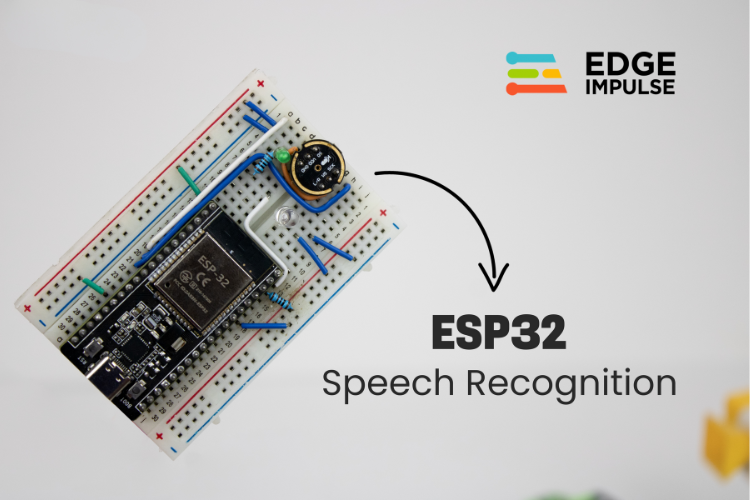
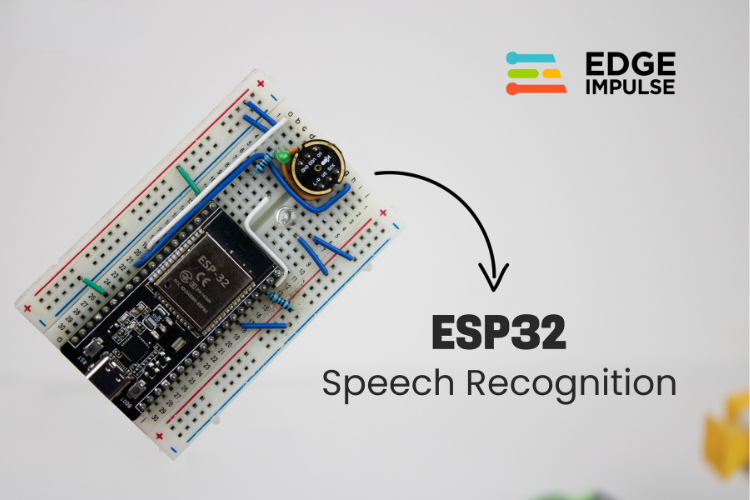
Create a fast, private, and hands-free voice-control system using ESP32 and Edge Impulse—no internet required, just pure on-device intelligence.
Build an ESP32 Offline Voice-Control System with Edge AI
Voice-controlled tech usually feels magical—until you realize most systems depend heavily on cloud servers, constant internet connection, and hidden data pipelines. But what if your device could think on its own? What if your voice commands were recognized instantly, locally, and privately?
That’s exactly what this ESP32 voice recognition offline system project delivers. Powered by Edge Impulse’s efficient machine-learning workflow, this build allows makers to turn a low-cost ESP32 module into a fully functional voice-command interface—no Wi-Fi, no cloud, no latency.
Whether you’re building smart-home automation, hands-free tools, accessibility-focused devices, or robotics, offline speech recognition unlocks a new layer of interaction.
Why Offline Voice Recognition Matters
Most DIY voice assistants rely on cloud APIs. They work well—until your network drops, your latency spikes, or your privacy concerns take over.
By keeping recognition on-device:
- Speed improves — responses are near-instant.
- Privacy is guaranteed — your audio never leaves the hardware.
- Reliability increases — works even completely offline.
- Power efficiency rises — tiny ML models run smoothly on ESP32.
Edge Impulse makes it incredibly approachable for makers to train custom wake words or action commands without deep AI expertise.
ESP32 Offline Voice Recognition Using Edge Impulse
How the System Works
1. Audio Capture on ESP32
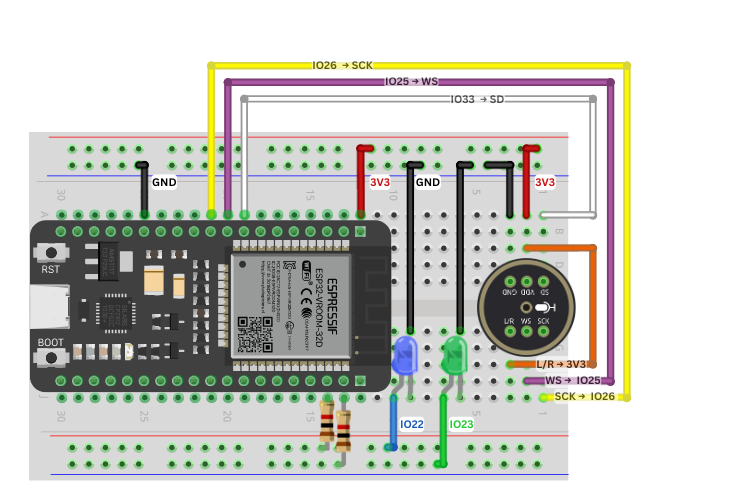
The ESP32 uses an external microphone to continuously listen for short audio snippets.
2. Machine-Learning Model from Edge Impulse
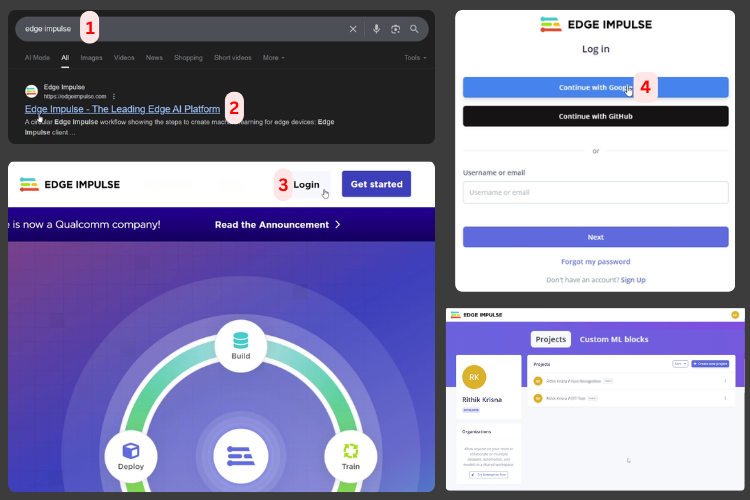
You record your commands (like “start,” “stop,” “lights,” “fan”) inside Edge Impulse’s studio, train a tiny neural network, then export the optimized firmware.
3. On-Device Inference
The ESP32 runs the model locally, identifying which command was spoken and triggering the corresponding action—turning LEDs on/off, driving motors, activating relays, etc.
4. Ultra-Low Resource Footprint
Edge Impulse automatically compresses the neural network so it fits the ESP32’s limited memory without sacrificing accuracy.
What You Can Build With This
This project is flexible enough to power dozens of maker-friendly builds:
- Offline smart-home switches that respond to your voice without Alexa or Google.
- Robots that start, stop, or change modes based on spoken commands.
- Wearable voice interfaces for accessibility or hands-free interaction.
- Industrial tools where touching controls isn’t feasible.
- Kids’ toys with voice-responsive features.
The best part? Every command is your command—no dependence on pre-built commercial wake words.
Key Highlights That Excite the Maker Community
- Works on affordable hardware (ESP32 + simple microphone).
- No cloud API fees, no external servers.
- Completely customizable command set.
- Beginner-friendly ML workflow thanks to Edge Impulse.
- Great starting point for more advanced embedded AI projects.
This is the type of build that resonates with the Maker. Pro community—hands-on, innovative, and privacy-conscious with a strong practical payoff.
Final Thoughts
Offline voice recognition isn’t just a cool trick—it’s the next step in DIY human-machine interaction. Thanks to tools like Edge Impulse, makers can now train and deploy speech-recognition models on microcontrollers with surprising accuracy and minimal complexity.
If you're looking to elevate your next project with a futuristic, intuitive interface, the ESP32 voice-command system is the perfect launchpad.