A practical guide to building 18650 battery packs, with pro tips from Ufine Battery on cell selection, BMS setup, and safe assembly.
Building your own 18650 battery pack is a rewarding experience, especially when you want something compact, powerful, and tailored to your device. Whether you're powering an RC vehicle, a wearable sensor, or a backup UPS system, having full control over your battery pack makes a big difference.
As a lithium battery manufacturer that works with custom designs daily, we've seen what works and what fails in real-world projects. This post shares hands-on tips from pack assembly lines and lab benches—ideal for makers and engineers who want to do it right.
🧩 Step 1: Plan the Pack – Series, Parallel, or Both?
Start by defining your voltage and capacity needs.
- 3S = 11.1V (common for drones, robotics)
- 2P = doubled capacity
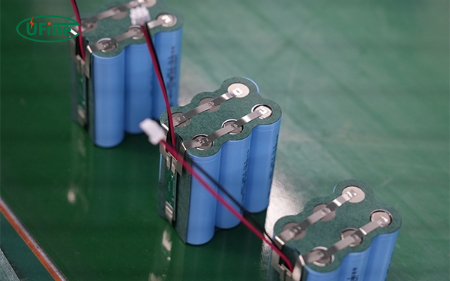
- 3S2P = 11.1V with double the runtime
Each 18650 cell typically delivers 3.6–3.7V and around 2500–3500mAh, depending on grade. Combine cells accordingly, but always match their specs closely—capacity, brand, and cycle age.
🧪 Step 2: Source Quality Cells
Not all 18650s are created equal. Some are factory-grade; others are rewrapped with exaggerated ratings. At Ufine Battery, we always recommend starting with verified, tested cells—even for one-off builds.
Ufine isn't the biggest manufacturer, but we focus on quality. We support custom battery pack OEM and ODM services, including low-temperature, ultra-thin, high-rate, and even high-temperature cells. And yes, we can start with just one order—great for prototypes.
🔗 Step 3: Use a Spot Welder—Not a Soldering Iron
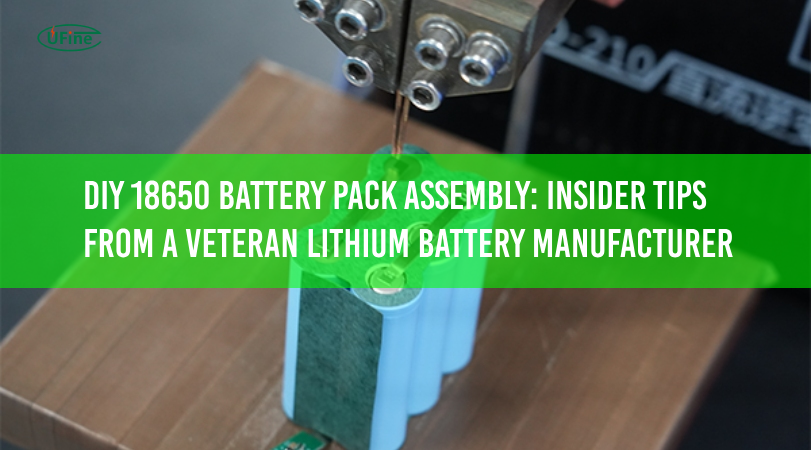
This is important. Soldering directly onto 18650 terminals can cause internal damage. Spot welding nickel strips is the safer, professional way. A basic 18650 spot welder (capacitor- or battery-based) works well for most DIY jobs.
Tips:
- Use 0.1mm or 0.15mm nickel strips
- Clean cell terminals before welding
- Practice on a dead cell first
🧠 Step 4: Choose the Right BMS
A Battery Management System (BMS) protects your pack from overcharge, overdischarge, and short circuits. Get one that matches your pack's voltage and current.
For a 3S pack:
- Use a 3S BMS rated slightly higher than your expected load current
- Look for thermal protection and cell balancing if possible
At Ufine, we often help clients match BMS modules to custom configurations. It’s a small step that saves time and prevents problems later.
uifne 18650 battery management system
🧼 Step 5: Insulate Everything Well
DIY packs can become dangerous if not insulated properly. Always use:
- Fish paper or Kapton tape between cells
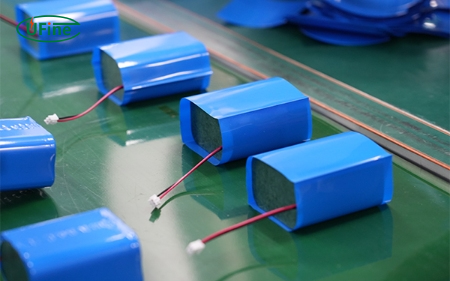
- Heat shrink tubing around the pack
- Insulating rings on the positive terminals
Also, secure all wiring to avoid stress points. Movement or pulling can cause weak solder joints or wear over time.
🔋 Step 6: Test Before Use
Before connecting your pack to a device:
- Measure overall voltage
- Check voltage of each series group
- Verify BMS output behavior
- Use a low-current test load first (like a 5–10W resistor)
Don’t skip this. Testing early can catch balancing issues or faulty welds.
🛠️ Extra Pro Tips from the Workshop
- Avoid mixing used and new cells
- Use a fuse or polyfuse for added safety
- Label your packs with date and specs
- For long-term use, keep packs in cool, dry environments
- Don’t forget to include a charging connector that matches your charger!
⚡ Why Makers Work with Ufine Battery
Ufine Battery is a trusted choice for engineers building their own packs or scaling up to production. While we’re not a giant factory, we specialize in custom work. That means:
- Wide range of battery types: lithium-ion, 18650, LiFePO4, thin cells, high/low-temp, and high-rate
- One-unit minimum order – perfect for early R&D
- Fast shipping and quick service replies
- Friendly engineering team who can help you find the right solution
- All batteries include a 1-year warranty
💬 Final Thoughts
Building a safe and reliable 18650 battery pack takes time and attention—but it’s absolutely doable with the right tools and cells. If you’re working on a serious project or even looking to turn your prototype into production, consider working with a battery partner who understands small-scale customization—like Ufine Battery.
Feel free to share your builds or ask questions in the comments. Happy building!