Connecting batteries in series and parallel is a fundamental skill for anyone interested in optimizing energy systems, whether for recreational vehicles (RVs), boats, or solar power setups. This article provides a comprehensive guide on the concepts, methods, and considerations for connecting batteries in both configurations.
What Are Series and Parallel Connections?
When discussing battery connections, it's essential to understand the two primary configurations: series and parallel.
Series Connections Explained
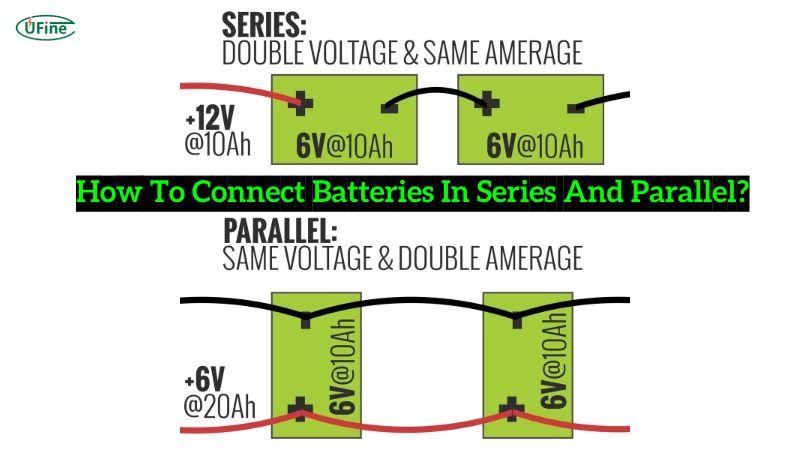
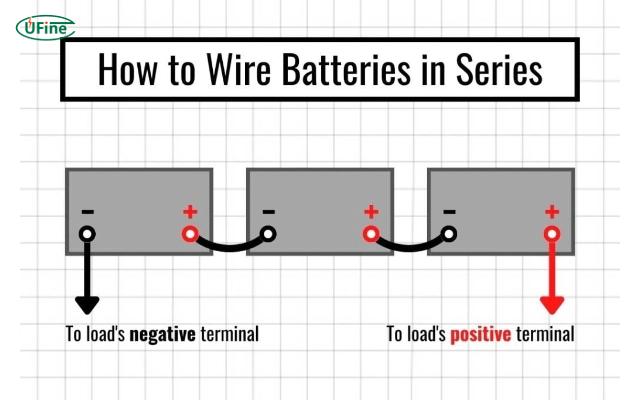
In a series connection, batteries are linked in a chain. One battery's positive terminal connects to the next's negative terminal. This arrangement increases the overall voltage while the amp-hour capacity remains the same. For example, if you connect two 12V batteries in series, the total voltage becomes 24V, but the capacity (in amp-hours) is that of a single battery.
Parallel Connections Explained
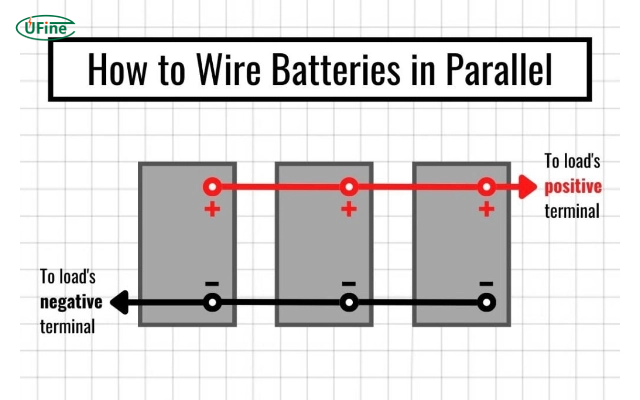
In a parallel connection, all positive terminals are connected, and all negative terminals are connected. This configuration keeps the voltage the same as a single battery while increasing the total capacity. For instance, if you connect two 12V batteries in parallel, the output remains 12V, but the capacity doubles if both batteries are 100Ah.
Ufine Battery can provide customized energy solutions when considering a lithium-ion battery pack. With a team of professional business engineers, Ufine ensures that your battery setup is tailored to meet your specific needs.
Key Differences Between Series and Parallel Connections
The differences between series and parallel connections are crucial for determining which configuration to use based on your power needs. Here's a detailed breakdown:
- Voltage: In series, the voltage increases (the sum of all battery voltages). In parallel, the voltage remains the same as one battery.
- Capacity: In series, the capacity stays the same as one battery. In parallel, the capacity increases (the sum of all battery capacities).
- Configuration Requirements: Series connections require batteries to have the same capacity and voltage, while parallel connections require batteries to have the same voltage, ideally with similar capacities.
|
|
|
|
|
|
Remains the same (equal to one battery)
|
Increases (sum of all capacities)
|
|
|
|
|
|
|
Requires same capacity and voltage
|
Requires same voltage, preferably same capacity
|
How To Connect Batteries In Series?
how to connect batteries in series
Connecting batteries in series is straightforward but requires careful attention to detail. Here's a step-by-step guide to ensure clarity for beginners:
1. Gather Your Batteries: Ensure all batteries have the same voltage and capacity. This is crucial to prevent imbalances that could lead to battery damage.
2. Connect the Batteries:
- Start with the first battery. Take a cable and connect the positive terminal of the first battery to the negative terminal of the second battery.
- If you have more than two batteries, continue this process by connecting the positive terminal of the last connected battery to the negative terminal of the next battery.
3. Final Connections:
- After all batteries are connected, take a cable from the negative terminal of the first battery and connect it to your application (e.g., an inverter or load).
- Then, connect another cable from the positive terminal of the last battery to your application.
Example of Series Connection
If you connect two 12V batteries in series, the total output voltage will be 24V, while the capacity remains that of a single battery, such as 100Ah. This configuration is ideal for applications that require higher voltage, such as electric vehicles or certain solar power systems.
How To Connect Batteries In Parallel?
how to connect batteries in parallel
Parallel connections are perfect for increasing capacity without changing voltage. Here's a detailed guide for connecting batteries in parallel:
1. Select Compatible Batteries: Use batteries with the same voltage and similar capacities to ensure balanced charging and discharging.
2. Connect the Batteries:
- Begin by connecting all positive terminals. You can use short cables to connect each positive terminal to a common point.
- Next, connect all negative terminals in the same manner.
3. Final Connections:
- From the combined positive terminals, connect a cable to your application.
- From the combined negative terminals, connect another cable to your application.
Example of Parallel Connection
If you connect four 12V batteries of 100Ah each in parallel, your system will still output 12V, but the total capacity will increase to 400Ah. This configuration is ideal for applications requiring longer runtimes, such as RVs or off-grid solar systems.
Batteries In Series-Parallel Connections
how to connect batteries in series parallel
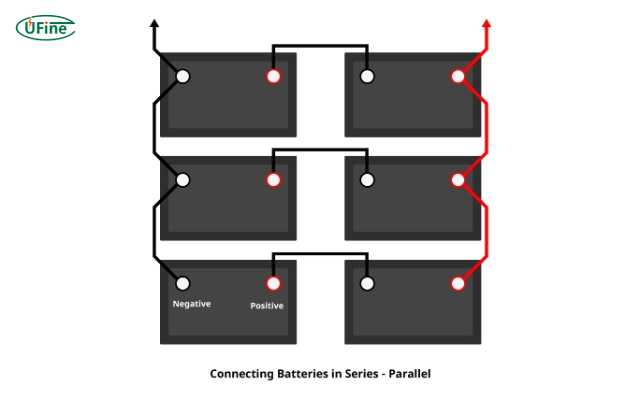
In some scenarios, you may want to combine series and parallel connections. This is known as a series-parallel configuration, allowing you to increase voltage and capacity.
How To Connect Batteries In Series-Parallel?
- Create Series Strings: First, connect a few batteries in series to achieve the desired voltage. For example, if you connect two 6V batteries in a series, you will get 12V.
- Connect Series Strings in Parallel: Next, connect multiple series strings in parallel to increase the overall capacity. For instance, if you have three sets of two 6V batteries, each connected in series, you can connect these sets in parallel to create a 12V system with increased capacity.
Example of Series-Parallel Connection
If you connect three sets of two 6V batteries in series, you will achieve 12V. If you connect three of these series sets in parallel, you will have a 12V system with a total capacity 300Ah.
Benefits of Connecting Batteries in Series
- Higher Voltage Output: Series connections are ideal for high-voltage applications like electric vehicles or solar power systems.
- Simplified Wiring: Fewer cables are needed for high-voltage applications compared to parallel connections, which can simplify installation.
Benefits of Connecting Batteries in Parallel
- Increased Capacity: Parallel connections are perfect for applications that require longer runtimes, such as RVs or off-grid solar systems.
- Redundancy: If one battery fails in a parallel configuration, the remaining batteries can still provide power, enhancing system reliability.
Common Mistakes to Avoid
- Mixing Battery Types: Always use batteries of the same type (e.g., lead-acid, lithium) to prevent imbalances that can lead to damage.
- Ignoring Capacity Ratings: When connecting in parallel, ensure that batteries have the same capacity to avoid overloading one battery.
- Incorrect Charging: Use chargers that match the configuration's total voltage to avoid damaging the batteries.
FAQs About Batteries In Series And Parallel
Can I connect batteries of different capacities in series?
No, connecting batteries of different capacities in series is not advisable, as this can lead to imbalances and potential damage to the batteries.
Do batteries last longer in series or parallel?
Battery lifespan depends on the application. Series configurations may provide slightly better efficiency, but both configurations can offer similar runtimes under the right conditions.
Can I charge batteries connected in series together?
Yes, you can charge batteries connected in series, but ensure your charger matches the total voltage of the series configuration to avoid overcharging.
What happens if I connect batteries of different voltages in parallel?
Connecting batteries of different voltages in parallel can cause serious damage and safety hazards, as the higher-voltage battery will try to charge the lower-voltage battery, leading to overheating or failure.
Is it safe to connect batteries in series and parallel simultaneously?
Yes, connecting batteries in series and parallel simultaneously is safe, provided you follow proper guidelines and ensure compatibility among the batteries used.