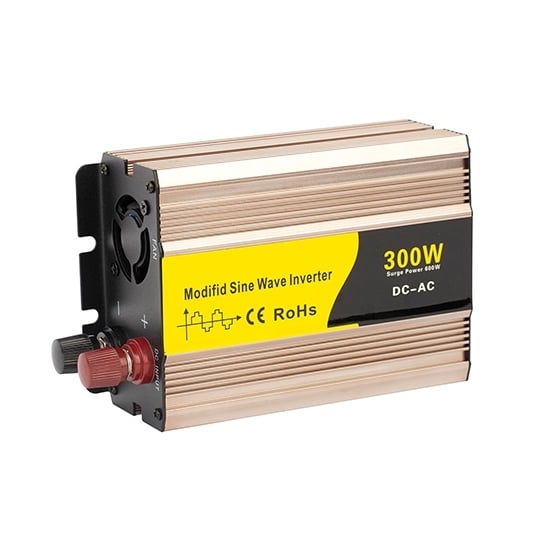
A practical guide to choosing and using a 12V DC to AC power inverter for off-grid, RV, camping, and emergency backup applications. Covers wattage sizing, sine wave types, and safety features.
Introduction
Whether you're on a road trip, living off-grid, or preparing for a power outage, a 12V inverter is one of the most useful tools you can have. It converts 12V DC power — from your car battery, lithium battery pack, or solar setup — into standard 110V or 220V AC electricity, letting you run everyday devices without a wall outlet.
This guide covers what a 12V inverter does, how to size one correctly, and which applications it's best suited for.
What Is a 12V Inverter?
A 12V power inverter takes direct current (DC) at 12 volts and converts it into alternating current (AC) — the same type of power that comes out of a standard wall socket. The output voltage is typically 110V (North America) or 220V/230V (Europe and most of Asia), and the wattage rating tells you how much load the inverter can handle continuously.
Choosing the Right Wattage
The most important step is matching the inverter's capacity to your load:
- 300W – 600W: Ideal for small devices — LED lights, phone chargers, laptops, fans, small TVs
- 1000W – 1500W: Handles medium loads like small refrigerators, power tools, coffee makers
- 2000W – 3000W: Suitable for microwave ovens, air conditioners, washing machines
Always leave a buffer. If your device draws 800W, choose at least a 1000W inverter to avoid overload shutdowns.
Common Applications
- RV and van builds: Run a fridge, lights, and devices from a 12V lithium or lead-acid battery bank
- Camping: Power a CPAP machine, laptop, or portable fan overnight
- Emergency backup: Keep essential home appliances running during a brief grid outage (paired with a deep-cycle battery)
- Marine/boat: Power cabin electronics from the boat's 12V system
- Car travel: Charge laptops and run small appliances from the vehicle battery
Safety Features to Look For
A quality 12V inverter should include:
- Low voltage cutoff – protects your battery from deep discharge
- Overload protection – shuts down if you exceed rated wattage
- Short circuit protection – prevents damage from wiring errors
- Thermal/overheat protection – built-in cooling fan and temperature sensor
- Reverse polarity protection – prevents damage from incorrect wiring
Where to Find 12V Inverters
For a full range of 12V inverters from 300W to 3000W — including modified sine wave models with USB ports and remote control — visit inverter.com/12v-inverter. Products ship from US warehouses with options for both 110V and 220V output.