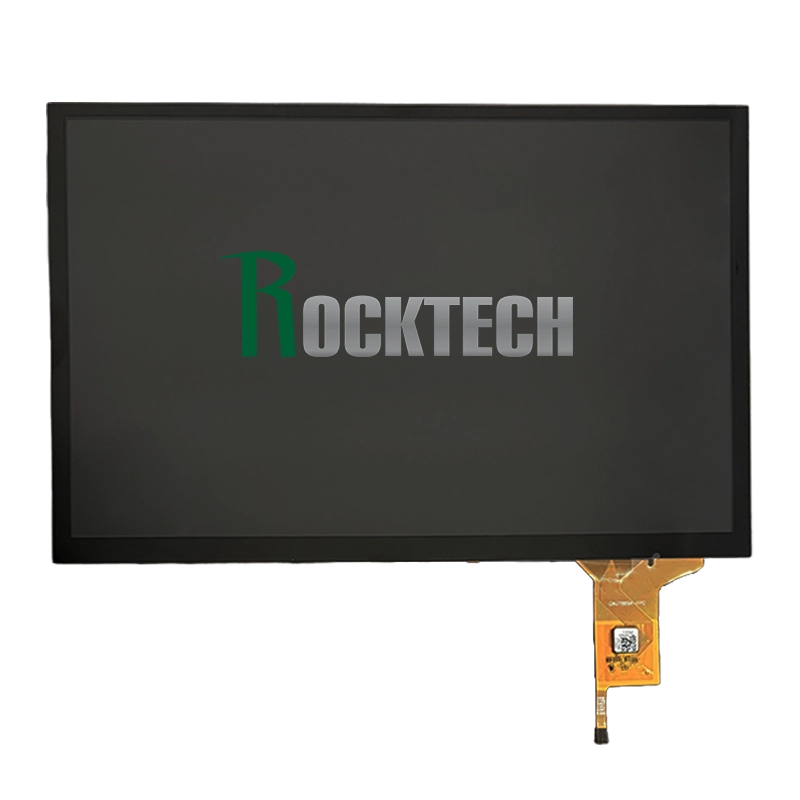
TFT LCD displays are everywhere—from smartphones and tablets to factory HMIs, medical devices, and outdoor kiosks. While they may look similar on the surface, industrial and consumer-grade TFT displays are engineered with vastly different priorities in mind.
If you’re building an embedded product expected to operate 24/7, survive temperature extremes, or remain in production for years, selecting the right display is mission-critical.
What Is an Industrial TFT Display?
An industrial TFT (Thin-Film Transistor) display is purpose-built for reliability in harsh environments. Common applications include factory automation, smart agriculture, medical systems, and public terminals.
Typical characteristics of industrial TFT displays:
- Wide temperature tolerance (–30°C to +85°C)
- Sustained high brightness (500–1500 nits)
- Extended lifespan (30,000–70,000 hours)
- Support for embedded interfaces like LVDS, RGB, SPI, and MCU
- Long-term supply commitment (5–10 years)
- Compliance with EMC and ESD standards
These displays prioritize stability, integration flexibility, and availability over slim form factors or cosmetic appeal.
Consumer TFTs: Built for Convenience, Not Endurance
Consumer-grade TFT panels, found in tablets and smartphones, are optimized for design aesthetics, low cost, and short product cycles.
Limitations of consumer TFTs include:
- Minimal thermal design: Thin enclosures limit heat dissipation. Advertised brightness (e.g. 800 nits) may only be short-term peak.
- Shorter lifespan: Typically around 10,000 to 20,000 hours, aligned with consumer replacement cycles.
- Narrow temperature range: Usually rated 0°C to 50°C, unsuitable for outdoor or industrial use.
- Interface limitations: Primarily HDMI or MIPI, often incompatible with embedded systems.
- Unpredictable supply: Models can be discontinued within 1–2 years.
These displays can underperform—or outright fail—when deployed in rugged or mission-critical environments.
Key Differences at a Glance
Feature comparison:
- Temperature Range: Industrial (–30°C to +85°C) vs Consumer (0°C to 50°C)
- Brightness: Industrial (500–1500 nits sustained) vs Consumer (200–400 nits peak)
- Lifespan: Industrial (30,000–70,000 hrs) vs Consumer (10,000–20,000 hrs)
- Interfaces: Industrial (LVDS, SPI, MCU) vs Consumer (HDMI, MIPI)
- EMC/ESD Protection: Industrial grade vs Minimal
- Supply Duration: 5–10 years vs 1–2 years
Why This Matters for Embedded Designers
Choosing the wrong display can lead to:
- Thermal degradation
- Interface mismatches
- Brightness loss over time
- Cold-start issues in low temperatures
- Unexpected failure in field deployments
For embedded systems where uptime and environmental resilience are essential, industrial-grade displays are not just preferred—they’re required.
Designing for the Long Term
Some manufacturers provide industrial TFT displays customized for long-term deployment, offering options like:
- Brightness tuning and wide-temp backlights
- Custom FPC layouts
- Touch panel integration (CTP or resistive)
- Reinforced EMC/ESD immunity
For engineers looking to explore proven industrial-grade display options, this industrial TFT display portfolio offers a helpful starting point.
Final Thoughts
Consumer displays may be sufficient for handheld gadgets, but they rarely withstand the thermal, mechanical, and electrical stresses of industrial environments.
When designing an embedded device, your choice of display isn’t just cosmetic—it affects durability, compatibility, and product lifecycle. Always match the display to the demands of the application, not just the look on day one.