Custom battery packs are essential for powering diverse devices and applications in today's fast-paced technological world. These tailored solutions drive innovation across sectors, from medical devices to aerospace technology. This guide explores the benefits, applications, and detailed design and manufacturing processes of custom battery packs.
What Are Custom Battery Packs?
Engineers design and tailor custom battery packs to meet the specific requirements of a particular device or application. Unlike off-the-shelf batteries, manufacturers build custom packs to exact specifications, considering size, shape, voltage, capacity, and environmental conditions.
Ufine Battery offers OEM and ODM services for various lithium batteries, including lithium-ion batteries, 18650 batteries, lithium iron phosphate batteries, and ultra-thin, high-temperature, low-temperature, and high-rate batteries. Unlike other major manufacturers, Ufine allows orders starting from just one piece. With fast customer service, detailed support, quick shipping, and a one-year warranty, Ufine Battery is your go-to choice for custom power solutions. Contact us now to get started!
The Advantages of Custom Battery Packs
1. Optimized Performance
Engineers design custom battery packs to provide optimal performance for specific applications. By tailoring the battery's characteristics to the device's exact needs, manufacturers can ensure:
- Longer runtime
- Improved efficiency
- Enhanced reliability
2. Space Efficiency
One of the most significant advantages of custom battery packs is their ability to maximize space utilization. Engineers can design batteries that fit perfectly into the available space within a device, allowing for:
- Compact product designs
- Lightweight solutions
- Improved portability
3. Cost-Effectiveness
While custom battery packs may have higher initial costs, they often prove more cost-effective in the long run. This is due to:
- Reduced need for replacements
- Improved device efficiency
- Lower maintenance requirements
4. Enhanced Safety Features
Custom battery packs can incorporate advanced safety features tailored to the specific application, such as:
- Overcharge protection
- Temperature monitoring
- Short circuit prevention
Applications of Custom Battery Packs
Designing a custom battery pack involves several crucial steps:
1. Requirements Analysis
The first step in creating a custom battery pack is thoroughly analyzing the device's power requirements. This includes:
- Voltage needs
- Capacity requirements
- Discharge rate
- Operating environment
2. Chemistry Selection
Based on the requirements, engineers select the most appropriate battery chemistry. Common options include:
- Lithium-ion (Li-ion)
- Lithium polymer (LiPo)
- Nickel-metal hydride (NiMH)
- Lithium iron phosphate (LiFePO4)
Each chemistry has its unique characteristics, advantages, and limitations.
3. Cell Configuration
Engineers determine the optimal cell configuration to meet the voltage and capacity requirements. This involves:
- Selecting the number of cells
- Deciding on series or parallel connections
- Considering balancing circuits for multi-cell packs
4. Mechanical Design
The mechanical design phase focuses on creating a battery pack that fits the device's physical constraints while ensuring proper thermal management and protection. This includes:
- 3D modeling of the battery enclosure
- Designing interconnects and terminals
- Planning for heat dissipation
5. Battery Management System (BMS) Integration
A crucial component of modern custom battery packs is the Battery Management System (BMS). The BMS is responsible for:
- Monitoring cell voltages and temperatures
- Balancing cells in multi-cell packs
- Protecting against overcharge, over-discharge, and short circuits
- Communicating battery status to the host device
6. Prototyping and Testing
Once the design is complete, prototypes are built and rigorously tested. This phase includes:
- Performance testing under various conditions
- Safety testing to ensure compliance with relevant standards
- Cycle life testing to determine longevity
7. Manufacturing and Quality Control
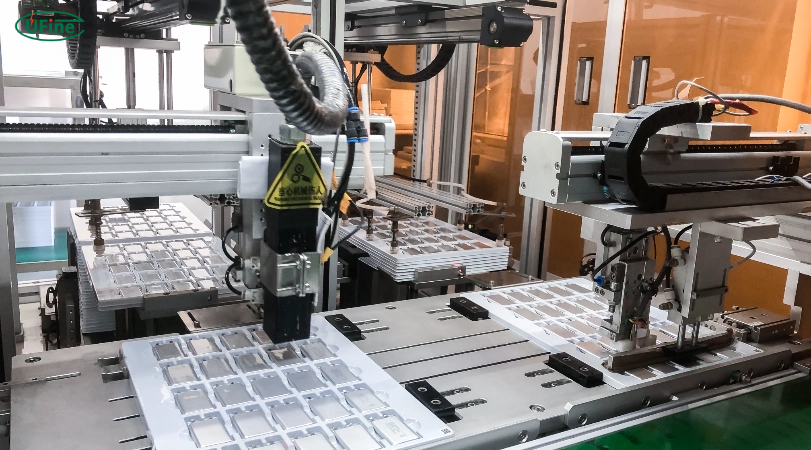
After successful prototyping, the battery pack moves to production. We implement strict quality control measures to ensure consistency and reliability in every pack produced.
The Process of Designing Custom Battery Packs
Designing a custom battery pack involves several crucial steps:
1. Requirements Analysis
The first step in creating a custom battery pack is thoroughly analyzing the device's power requirements. This includes:
- Voltage needs
- Capacity requirements
- Discharge rate
- Operating environment
2. Chemistry Selection
Based on the requirements, engineers select the most appropriate battery chemistry. Common options include:
- Lithium-ion (Li-ion)
- Lithium polymer (LiPo)
- Nickel-metal hydride (NiMH)
- Lithium iron phosphate (LiFePO4)
Each chemistry has its unique characteristics, advantages, and limitations.
3. Cell Configuration
Engineers determine the optimal cell configuration to meet the voltage and capacity requirements. This involves:
- Selecting the number of cells
- Deciding on series or parallel connections
- Considering balancing circuits for multi-cell packs
4. Mechanical Design
The mechanical design phase focuses on creating a battery pack that fits the device's physical constraints while ensuring proper thermal management and protection. This includes:
- 3D modeling of the battery enclosure
- Designing interconnects and terminals
- Planning for heat dissipation
5. Battery Management System (BMS) Integration
A crucial component of modern custom battery packs is the Battery Management System (BMS). The BMS is responsible for:
- Monitoring cell voltages and temperatures
- Balancing cells in multi-cell packs
- Protecting against overcharge, over-discharge, and short circuits
- Communicating battery status to the host device
6. Prototyping and Testing
Once the design is complete, prototypes are built and rigorously tested. This phase includes:
- Performance testing under various conditions
- Safety testing to ensure compliance with relevant standards
- Cycle life testing to determine longevity
7. Manufacturing and Quality Control
After successful prototyping, the battery pack moves to production. We implement strict quality control measures to ensure consistency and reliability in every pack produced.
Critical Considerations in Custom Battery Pack Design
When designing custom battery packs, you must carefully consider several factors:
Safety
Safety is paramount in battery pack design. Engineers must implement various safety features and undergo rigorous testing to ensure the battery pack operates safely under all conditions.
Environmental Factors
Design custom battery packs to withstand the specific environmental conditions they will face, such as:
- Temperature extremes
- Humidity
- Vibration and shock
Regulatory Compliance
Depending on the application and region, battery packs must comply with various regulations and standards. These can include:
- UN 38.3 for transportation safety
- IEC 62133 for the safety of portable sealed secondary cells
- Medical device standards for batteries used in healthcare applications
Lifecycle Management
Designers must consider the entire lifecycle of the battery pack, including:
- Expected lifespan
- Maintenance requirements
- Disposal or recycling processes
The Future of Custom Battery Packs
As technology advances, the future of custom battery packs looks promising. Some emerging trends include:
1. Advanced Materials
Research into new electrode materials and electrolytes is ongoing. These materials promise batteries with higher energy densities and improved safety profiles.
2. Smart Battery Systems
Integrating advanced sensors and AI leads to more innovative battery systems capable of self-diagnosis and predictive maintenance.
3. Sustainable Design
There's a growing focus on environmentally friendly battery designs, emphasizing recyclability and sustainable materials.
4. Rapid Charging Technologies
Advancements in charging technologies are paving the way for custom battery packs that charge faster than ever.
FAQs About Custom Battery Packs
What is the typical lifespan of a custom battery pack?
The lifespan of a custom battery pack varies depending on several factors, including battery chemistry, usage patterns, and environmental conditions. Generally, lithium-ion custom battery packs can last between 2 and 5 years or 300 and 500 charge cycles. However, some high-quality custom packs can last longer with proper design and usage.
How long does it take to develop a custom battery pack?
The development time for a custom battery pack can vary significantly based on the project's complexity. Typically, the process can take anywhere from 4 to 12 weeks. This timeline includes initial consultation, design, prototyping, testing, and refinement. The process may take longer for more complex projects or those requiring extensive certification.
Are custom battery packs more expensive than off-the-shelf solutions?
While custom battery packs often have a higher upfront cost compared to off-the-shelf solutions, they can be more cost-effective in the long run. Engineers design custom packs to fit perfectly and perform optimally in specific applications, which can lead to:
- Longer device lifespan
- Improved energy efficiency
- Reduced maintenance and replacement costs
A well-designed custom battery pack often lowers the total cost of ownership over the device's life.
Can custom battery packs be recycled?
Yes, designers can recycle custom battery packs, and it's increasingly important to consider end-of-life management during the design process. Many battery chemistries, particularly lithium-ion, contain valuable materials that can be recovered and reused. The recyclability of a custom battery pack depends on factors such as:
- Battery Chemistry
- Pack construction
- The presence of additional electronics (like BMSs)
Engineers can incorporate features that facilitate easier disassembly and recycling when designing custom battery packs.
How do I choose the right battery chemistry for my custom pack?
Selecting the right battery chemistry for a custom pack depends on various factors related to the application's requirements. Key considerations include:
- Energy density needs
- Power requirements
- Operating temperature range
- Cycle life expectations
- Safety considerations
- Cost constraints
For example, lithium-ion chemistries are often chosen for their high energy density and long cycle life, making them suitable for consumer electronics and electric vehicles. LiFePO4 batteries are known for their excellent safety profile and long cycle life, making them popular in solar energy storage and some electric vehicle applications.
It's best to consult with battery engineering experts who can analyze your needs and recommend the most suitable chemistry for your custom battery pack.