NXP FRDM
Weather Monitoring System withNXP FRDM-MCXN947
AQ
August 30, 2024 by Arturo Quintero
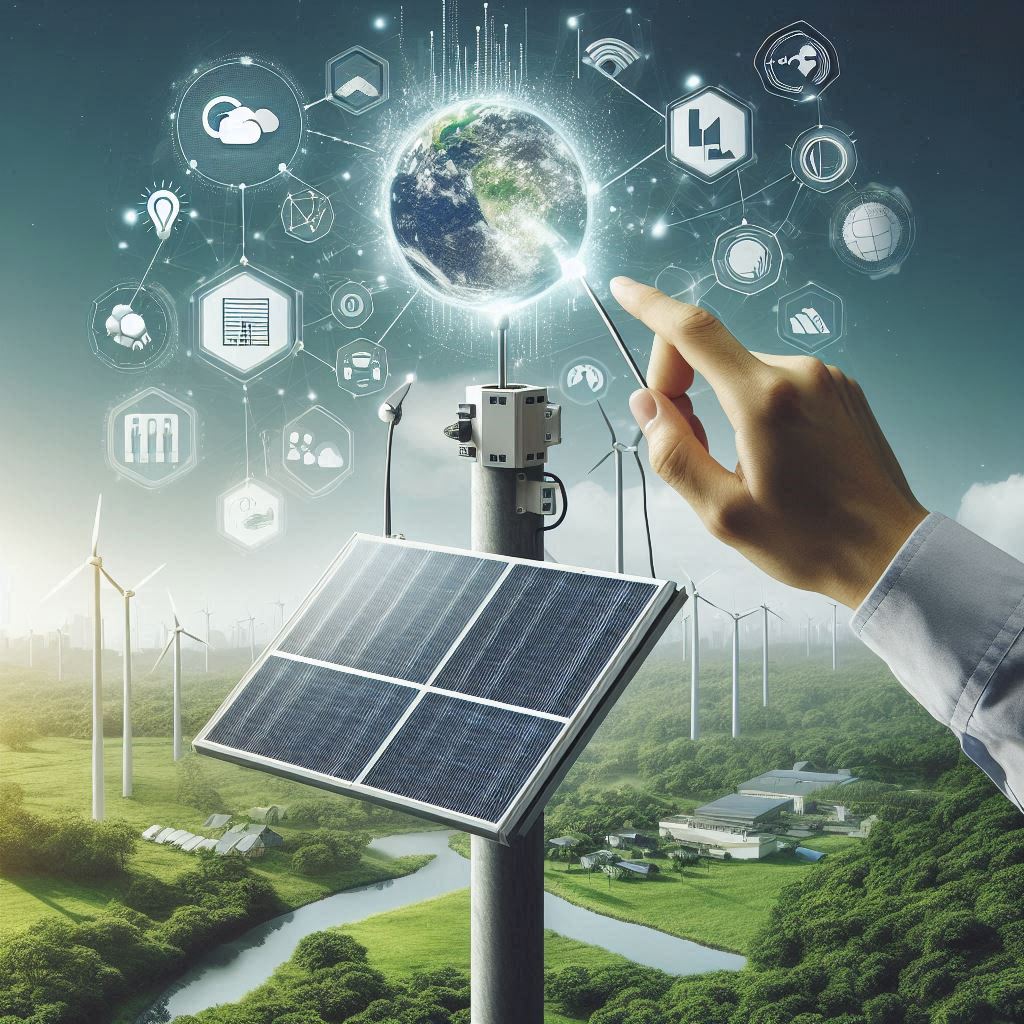
An IoT-based climate monitoring system collects, processes, analyzes, and transmits meteorological data in real-time, providing accurate information on weather conditions for applications such as forecasting, resource management, public safety, agriculture, and research.
Scroll to continue with content
Essential Sensors for an IoT Climate Monitoring System:
- Temperature Sensors:
- Digital Sensors (e.g., DHT22, DS18B20): Measure ambient air temperature.
- Thermocouples or Thermistors: Provide wider range or higher precision.
- Humidity Sensors:
- Digital Humidity Sensors (e.g., DHT22, AM2302): Measure air moisture.
- Capacitive Sensors: Offer greater accuracy and stability.
- Pressure Sensors:
- Barometric Sensors (e.g., BMP280, BME280): Detect atmospheric pressure changes.
- Digital Pressure Sensors (e.g., LPS22HB): Compact and precise.
- Wind Sensors:
- Ultrasonic Anemometers: Measure wind speed and direction without moving parts.
- Cup Anemometers and Wind Vanes: For wind speed and direction, compatible with IoT systems.
- Precipitation Sensors:
- Tipping Bucket Rain Gauges: Measure rainfall amounts.
- Optical or Laser Gauges: Measure rain intensity and amount.
- Solar Radiation Sensors:
- UV and Solar Sensors (e.g., ML8511, VEML6075): Measure ultraviolet and sunlight levels.
- Air Quality Sensors (optional):
- Gas Sensors (e.g., MQ-135, BME680): Detect pollutant gases.
- Particulate Matter Sensors (e.g., PMS5003): Measure air particles.
- Communication Modules:
- Wi-Fi, LoRa, Sigfox, BLE, Cellular, Zigbee/Z-Wave: For data transmission.
- Control Platform:
- Microcontrollers (e.g., Arduino, ESP32): Collect and process sensor data.
- Power Supply:
- Solar Panels and Batteries: Provide energy for remote installations.
Software and Security:
- Use IoT platforms (AWS IoT, ThingSpeak) for data management, and secure protocols for data integrity.
Update Data Send to the Server 2024/03/13