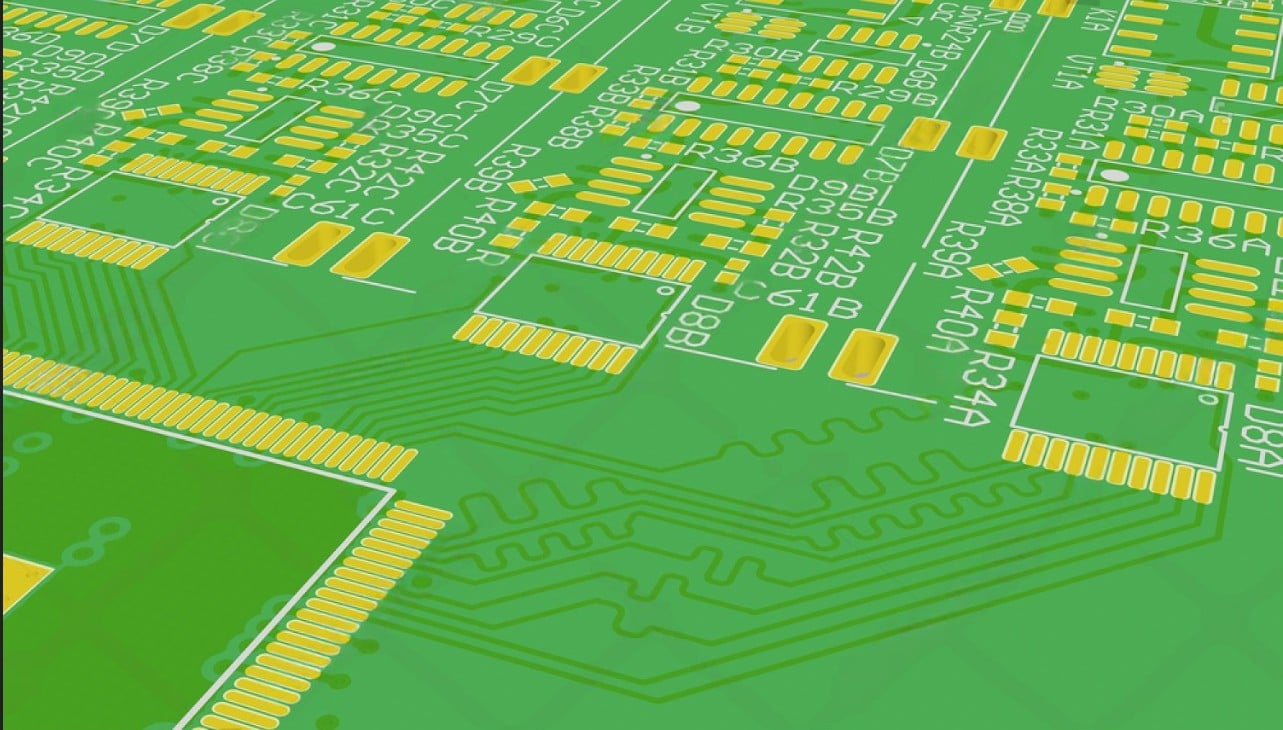
A PCB stencil controls how much solder paste is deposited on pads—directly affecting the quality of component placement and solder joints. Therefore, choosing the right PCB stencil manufacturers is not just a purchasing decision; it is a quality decision that impacts your entire production line.
In this guide, we explain in simple terms the 7 most important things you must check before selecting a manufacturer. Whether you are designing prototypes or managing high-volume production, these factors will help you choose a reliable partner like PCB Power for smooth and error-free stencil usage.
1. Material Quality & Type of Stencil Provided
The foundation of a high-quality PCB stencil lies in the material from which it is manufactured. The most commonly used stencil material is stainless steel, valued for its high durability and excellent solder paste release characteristics.
A high-quality stencil material increases accuracy during stencil PCB assembly, reduces solder paste clogging, and ensures consistent printing. Poor-quality materials often lead to bridging, insufficient solder, and defects that are costly to repair.
When selecting a manufacturer, confirm that they offer premium materials suitable for your PCB design needs.
2. Laser Cutting Precision & Manufacturing Technology
The accuracy of solder paste deposition depends heavily on how precisely the stencil apertures are cut. Leading PCB stencil manufacturers use:
- Fiber laser cutting
- UV laser processing
- High-speed CNC systems
Laser-cut stencils provide:
- Smooth aperture walls
- Consistent solder release
- Better performance in ultra-fine pitch and BGA areas
If the manufacturer uses outdated fabrication technology, your stencil may not deliver the accuracy needed for modern components.
3. Stencil Thickness & Aperture Design Options
The thickness of a stencil determines how much solder paste is released on each pad. Common stencil thicknesses range from 0.10 mm to 0.20 mm.
Choosing the right thickness depends on:
- Component density
- Pad size
- PCB assembly type
- Expected solder paste volume
A professional manufacturer will help you choose the correct thickness and aperture design to ensure reliable results.
For example:
- Thicker stencils → more solder paste → suitable for larger components
- Thinner stencils → less paste → ideal for fine-pitch ICs and BGAs
Proper aperture reduction (10–20% shrink) prevents solder bridging and improves final solder joint quality.
4. Customization Capabilities for Your PCB Design
Every PCB layout is different. Therefore, the stencil must be customized to match the exact pad dimensions and assembly needs. When choosing PCB stencil manufacturers in USA, ensure they offer:
- Customized aperture adjustments
- Step-up or step-down stencil options
- Fiducial marks for alignment
- Special coatings for better paste release
Custom stencils are especially important for:
- Microcontroller boards
- BGA and QFN components
- High-density layouts
- Mixed-technology PCBs
If the manufacturer cannot tailor the stencil to your PCB design, you may face significant assembly issues.
5. Framed vs. Frameless Stencils – What Do They Offer?
Choose a manufacturer who offers both options so you can select based on your production needs.
Framed Stencils
- Best for high-volume SMT production
- Provide high stability and tension
- Less prone to warping
Frameless Stencils
- Ideal for prototypes and small batches
- Easy to store and lower in cost
- Preferred for quick-turn PCB assembly
A versatile stencil for PCB assembly manufacturers will guide you in selecting the right type depending on your production environment.
6. Delivery Speed, Lead Time & Reliability
PCB assembly schedules are often tight. Delays in stencil production can halt your entire project. When evaluating manufacturers, check:
- Standard turnaround time
- Capability for expedited orders
- Shipping reliability
- Ability to handle volume demands
PCB Power, for example, offers fast and predictable delivery cycles to support both prototype and mass-production customers.
A manufacturer who delivers stencils quickly and consistently helps you avoid unnecessary downtime and assembly bottlenecks.
7. Quality Control, Testing & Accuracy Checks
A reliable stencil must pass strict quality checks before it reaches your SMT line. Professional PCB stencil manufacturers in USA follow detailed inspection processes, including:
- Tension uniformity testing
- Aperture dimension verification
- Microscopic inspection of walls
- Checking burr-free edges
- Surface finish checks
- Fiducial accuracy tests
These inspections ensure that when the stencil is used during stencil PCB assembly, it prints accurately and consistently, reducing the risk of rework and defects.
Bonus Tip: Engineering Support Matters More Than You Think
Great manufacturers don’t just deliver a stencil—they help you avoid mistakes. A strong engineering support team offers:
- DFM (Design for Manufacturability) feedback
- Recommendations for aperture reductions
- Advice for fine-pitch component handling
- Guidance on paste types and assembly parameters
Partnering with experts like PCB Power helps you optimize both stencil design and assembly performance.
Conclusion
Choosing the right PCB stencil manufacturer in USA is crucial for ensuring defect-free SMT assembly. By evaluating the seven factors listed above—material quality, cutting precision, stencil thickness, customization options, stencil type, lead time, and quality checks—you can significantly improve your assembly output.
When you work with an experienced partner like PCB Power, you get high-quality stencils, engineering expertise, faster delivery, and consistent performance at every stage of the assembly process.
FAQs
Q1: What do PCB stencil manufacturers do?
They create laser-cut metal sheets used for applying solder paste accurately on PCBs during SMT assembly.
Q2: Why is stencil quality important?
Good stencil quality ensures precise solder paste deposition, which prevents solder bridges, voids, and assembly defects.
Q3: What is stencil PCB assembly?
Stencil PCB assembly is the process of using a stencil to transfer solder paste onto pads before placing SMT components.
Q4: How do I choose the right stencil thickness?
It depends on component pitch, pad size, and paste volume requirements. Manufacturers can guide you based on your PCB design.
Q5: Are framed or frameless stencils better?
Framed stencils are better for high-volume production, while frameless stencils work well for prototypes and low-volume assembly.