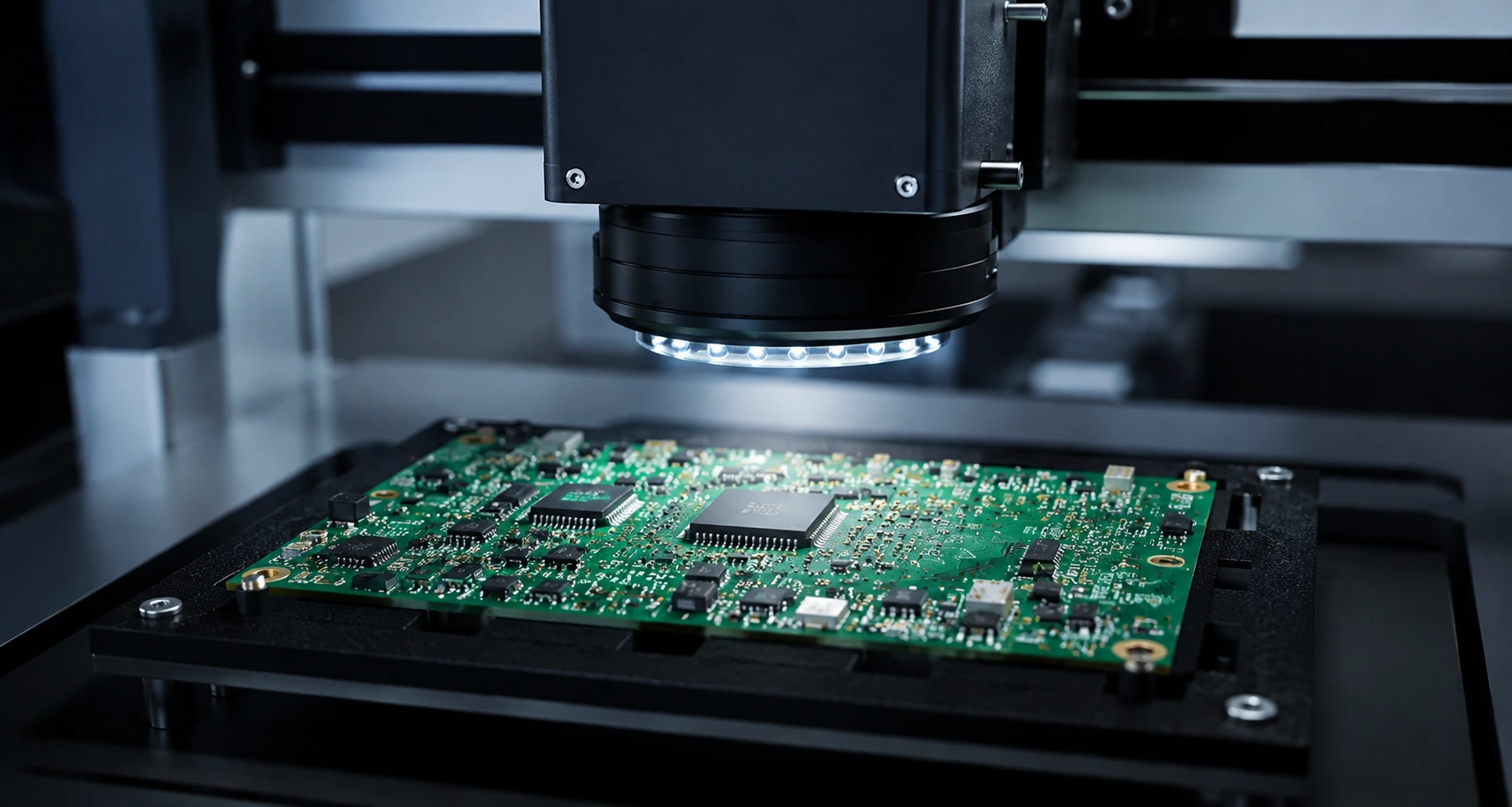
Choosing a PCB supplier involves more than purchasing printed circuit boards; it means investing in the overall quality and reliability of your electronic products. A certified PCB supplier offers more than fabrication services by providing consistent quality, regulatory compliance, and confidence throughout the manufacturing process. With certifications and approvals such as ISO 9001:2015, ITAR, IPC, RoHS, and DLA DD2345, PCB Power focuses on maintaining quality standards and meeting industry-specific requirements at every stage of PCB manufacturing.
Why Certifications Are Important in PCB Manufacturing
Certifications demonstrate that a PCB manufacturer has established quality management systems, documented procedures, and trained personnel. They help customers understand whether a supplier follows recognized manufacturing practices and meets applicable industry requirements.
Working with a certified PCB manufacturer provides several important advantages:
- Traceability and Audit Readiness: Manufacturing processes and production records can be documented to support traceability and audits.
- Consistent Quality: Materials and manufacturing procedures are managed according to defined quality and reliability requirements.
- Industry Compliance: Appropriate certifications and approvals help manufacturers meet the requirements of regulated sectors, including defense, aerospace, automotive, and medical electronics.
These measures help businesses select a manufacturing partner that understands the importance of quality, accountability, and regulatory compliance.
Key Certifications and Approvals at PCB Power
PCB Power recognizes the importance of certifications and industry approvals in delivering reliable PCB manufacturing services. The following certifications and approvals are associated with its quality and compliance framework.
- ISO 9001:2015: An internationally recognized standard for quality management systems that supports consistent processes and continual improvement.
- DLA Approval Letter – DD2345: Relevant to eligibility for certain U.S. defense-related technical information and controlled project requirements.
- ITAR Compliance: Relates to the handling and control of defense-related technical data and applicable export-controlled activities.
- IPC Standards: Industry standards used to define PCB design, manufacturing, and acceptance requirements, including applicable Class 2 and Class 3 criteria.
- RoHS Compliance: Addresses restrictions on certain hazardous substances in electrical and electronic equipment.
- Partner Certifications and Approvals: These may include UL, ISO 13485:2016 for medical device quality management systems, IPC-related qualifications, and LCSO approvals, depending on the applicable organization and scope.
These certifications and approvals are more than formal credentials. When applicable to the relevant facility, product, and project, they support manufacturing controls and help demonstrate alignment with customer specifications and regulatory requirements.
How Certified Manufacturing Processes Improve PCB Reliability
A reliable PCB requires careful material selection, controlled production procedures, appropriate testing, and accurate documentation. Certified quality systems help organize these activities and establish consistent manufacturing practices.
1. Material Quality and Supplier Evaluation
Reliable PCB manufacturing begins with selecting suitable raw materials and working with qualified suppliers. Manufacturers evaluate materials such as laminates, copper weights, and surface finishes to ensure they meet the specifications of the PCB design.
Maintaining approved supplier lists and performing appropriate material inspections can help reduce the risk of defects and support the long-term performance of the finished circuit board.
2. Process Control and In-Line Inspection
Manufacturing controls and inspections help identify potential problems before they affect the finished product. Techniques such as Automated Optical Inspection (AOI), flying probe testing, and microsection analysis can be used to identify different types of manufacturing defects.
By following documented procedures and checking boards at appropriate production stages, manufacturers can improve consistency, reduce rework, and help customers bring their products to market more efficiently.
3. Reliability and Environmental Testing
PCB performance must be evaluated according to the requirements of its intended application. Depending on the design and industry, testing may examine electrical continuity, insulation, thermal performance, or resistance to environmental stress.
These evaluations are particularly important for aerospace, defense, and medical electronics, where product requirements may demand extensive verification. Selecting suitable tests helps determine whether the board meets its specified performance and reliability criteria.
4. Traceability and Manufacturing Documentation
Accurate documentation supports quality management and helps manufacturers investigate issues when they arise. Records may include material information, production details, inspection results, and testing reports.
Maintaining appropriate traceability makes it easier to review manufacturing history, support audits, and demonstrate compliance with applicable customer and industry requirements. This is especially valuable for defense, aerospace, and medical applications.
Advantages of Choosing a U.S.-Based Certified PCB Supplier
Working with a domestic certified PCB supplier can offer practical advantages for businesses operating in the United States.
- Shorter Communication and Delivery Cycles: Domestic coordination can simplify communication and may reduce shipping-related delays, depending on production capacity and material availability.
- Responsive Engineering Support: Direct access to engineering teams can make it easier to discuss design requirements, manufacturing challenges, and technical changes.
- Convenient Collaboration: Customers may find it easier to arrange site visits, production discussions, and project reviews with a domestic supplier.
- Security and Compliance Considerations: A qualified supplier can help manage sensitive technical information according to applicable U.S. regulatory requirements, contractual obligations, and project-specific security controls.
These benefits can make domestic manufacturing an attractive option for companies seeking dependable communication, engineering collaboration, and appropriate compliance support.
Building a Long-Term Partnership Beyond PCB Orders
At PCB Power, certifications are only one aspect of the manufacturing relationship. Early collaboration between the customer and supplier can help identify potential problems before they become costly production issues.
PCB Power supports customers through Design for Manufacturability (DFM) guidance, stack-up optimization, and manufacturing risk assessment. These activities help evaluate whether a PCB design can be manufactured efficiently while meeting the required specifications.
By reviewing design considerations early, manufacturers can help reduce unnecessary redesigns, improve production planning, and support a smoother product launch. This collaborative approach also helps establish a foundation for consistent quality and long-term product reliability.
Conclusion
Choosing a certified PCB supplier is an important step toward achieving consistent manufacturing quality, dependable performance, and appropriate regulatory compliance. Quality management systems, material evaluation, process controls, reliability testing, and traceability all contribute to producing circuit boards that meet defined requirements.
With its focus on certifications, manufacturing quality, engineering support, and compliance, PCB Power USA helps businesses address the requirements of modern electronics manufacturing. For companies seeking a PCB manufacturing partner, evaluating relevant certifications, their scope, and the supplier's quality processes is essential to making an informed decision.
Ready to work with a reliable PCB supplier? Contact PCB Power today to discuss your manufacturing requirements and explore solutions for your next PCB project.