When building high-power electric mobility projects—like e-bikes, cargo trikes, or DIY solar generators—the battery pack is often the most expensive component. For a 36V (10S) system, move past the slow 2A chargers. This project explores the technical requirements for implementing a 10A high-current charging solution that balances speed with cell longevity.
Technical Specifications Analyzed:
Chemistry: Lithium-ion (NCM/NCA)
Voltage (Nominal): 36V
Charging Voltage (Max): 42V
Charging Current: 10A (420W Output)
Cooling: No Fan, Natural Cooling.
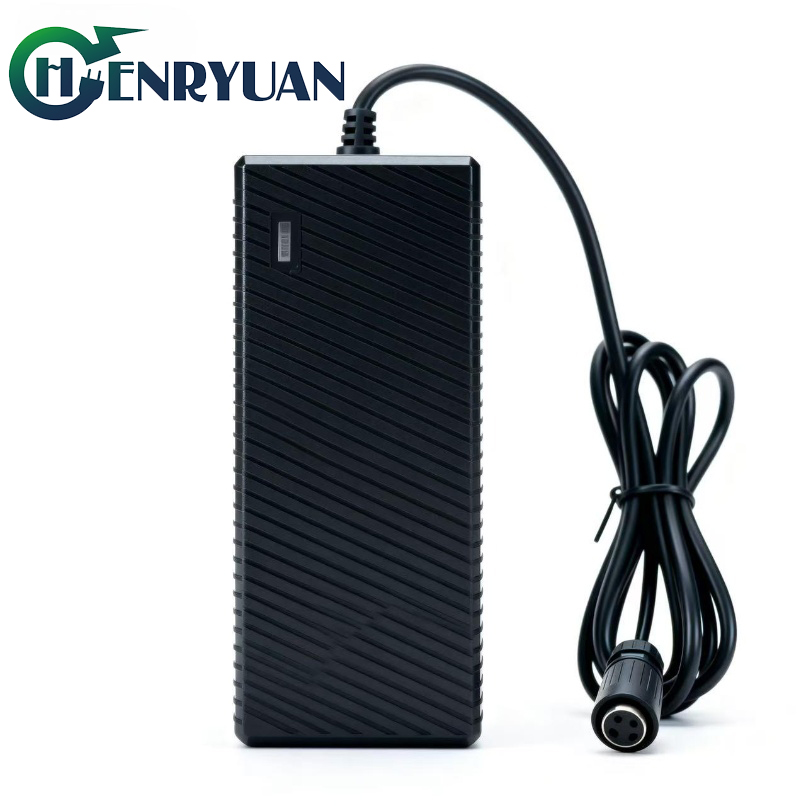
Standard chargers take 10+ hours for a 20Ah pack. Upgrading to 10A reduces this to 2 hours. However, at 420W, heat becomes your enemy. In my analysis of industrial-grade designs. Reference: Henryuan 42V 10A Li-Ion Charger: https://www.henryuan.com/e_productshow/?271-42V-10A-Li-Ion-Charger-For-36V-Li-Ion-Battery-UL-ETL-CE-PSE-Certificates-271.html
I’ve identified three critical "Must-Haves" for any Maker using high-current charging:
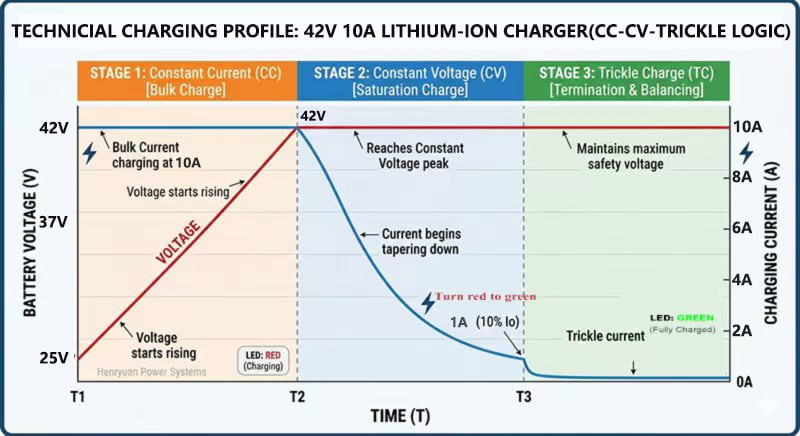
1. Precision 3-Stage Charging Curve
Constant Current (CC): The 10A bulk phase.
Constant Voltage (CV): Tapering current at 42V to ensure a 100% soak without overvoltage.
Trickle Current: The charger enters trickle charging mode to keep the battery healthy and eventually fully charge the battery pack.
2. Thermal Management
A 420W AC/DC converter generates a significant amount of waste heat. For safety and reliability, if you are building a casing for your project, it's best to avoid equipping your charger with an internal temperature-controlled fan. Instead, consider improving charging efficiency and using advanced aluminum heatsinks. This increases product reliability, prevents the lifespan of inferior cooling fans from being affected, and ensures quiet operation and improved energy efficiency.
3. Safety Certifications for DIY Builds
As Makers, we often overlook the AC side. Ensure your charger is UL, ETL, or CE certified. This isn't just about red tape—it means the internal isolation between the high-voltage AC and your low-voltage DC project is verified, preventing fire hazards or "fried" BMS boards.