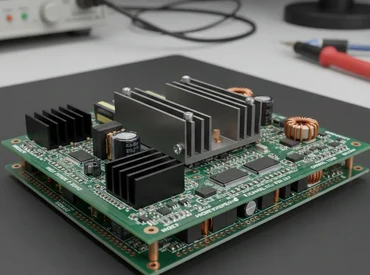
This is why High Power PCB Design requires more than just electrical planning—it also demands careful thermal analysis before manufacturing.
Many engineers today rely on thermal simulation software to predict heat behavior within a board before it goes into production. By integrating simulation early in the Printed Circuit Board Design phase, designers can identify hot spots, improve heat dissipation, and avoid expensive redesigns.
In this article, we will explain how thermal simulation tools help optimize High Power PCB Design, why they are essential in modern PCB Design, and how they support reliable Circuit Board Design before manufacturing.
Why Thermal Management Is Critical in High Power PCB Design
High power circuits generate substantial heat due to higher current flow and power density. Without proper thermal planning, this heat accumulates around components, creating thermal stress that can damage both the board and its components.
This is why High Power PCB Design must account for heat dissipation from the earliest stage of Printed Circuit Board Design. Engineers must carefully plan component placement, copper thickness, and thermal pathways to ensure safe operating temperatures.
Thermal simulation software helps visualize these factors before manufacturing, allowing engineers to refine their PCB Design and improve system reliability.
What Is Thermal Simulation Software?
Thermal simulation software is a specialized engineering tool used to analyze temperature distribution across a circuit board. It models how heat moves through components, copper layers, and PCB materials during operation.
During the Circuit Board Design stage, engineers can run simulations to understand how power components affect surrounding areas. These simulations help predict potential overheating issues before the board is physically manufactured.
Using simulation tools during High Power PCB Design significantly reduces the risk of design failures and ensures that the board can handle real-world operating conditions.
Key Benefits of Thermal Simulation in PCB Design
Thermal analysis offers several advantages for engineers working on power-intensive electronics.
1. Identifying Hot Spots Early
One of the biggest benefits of thermal simulation is the ability to detect hot spots within the Printed Circuit Board Design. High-power components such as voltage regulators, MOSFETs, and power ICs often produce concentrated heat.
Simulation allows designers to identify these areas and adjust the PCB Design accordingly. This may involve adding copper pours, heat sinks, or thermal vias to improve heat distribution.
2. Optimizing Component Placement
Component placement plays a major role in effective Circuit Board Design. Poor placement can trap heat between components, reducing airflow and increasing operating temperatures.
Thermal simulation tools allow engineers to experiment with different layouts during the High Power PCB Design process. Designers can reposition heat-generating components and improve spacing to enhance cooling performance.
This approach ensures that the final PCB Design supports efficient thermal management.
3. Improving Copper Layer Design
Copper layers are essential for conducting heat away from high-power components. In High Power PCB Design, thicker copper layers and larger copper areas are often required to manage heat effectively.
Thermal simulation software helps engineers analyze how copper planes influence temperature distribution. During Printed Circuit Board Design, designers can optimize copper thickness and trace width to support both electrical performance and thermal stability.
4. Reducing Manufacturing Risks
Manufacturing a high-power board without thermal analysis can lead to unexpected issues after production. Overheating may require redesigns, additional cooling components, or even board replacement.
Using simulation during PCB Layout Design allows engineers to verify thermal performance before manufacturing begins. This reduces production risks and improves the overall efficiency of the Circuit Board Design process.
Companies working on complex power electronics often choose to Partner with PCB Power to ensure their designs meet both manufacturing and thermal reliability standards.
Steps to Use Thermal Simulation Before Manufacturing
To effectively integrate simulation into High Power PCB Design, engineers should follow a structured workflow.
Step 1: Import PCB Layout Data
The first step is importing the PCB Layout Design file into the thermal simulation software. This allows the tool to analyze the complete Printed Circuit Board Design, including components, copper layers, and materials.
Step 2: Define Power Dissipation
Next, engineers assign power values to components that generate heat. This helps the software calculate how heat spreads across the PCB Design during operation.
Step 3: Run Thermal Analysis
The software then performs thermal calculations and generates a heat map showing temperature distribution across the Circuit Board Design.
Step 4: Optimize the Design
Based on the results, engineers can modify the High Power PCB Design by adjusting component placement, adding thermal vias, or modifying copper areas.
These improvements ensure the final design maintains safe operating temperatures.
Best Practices for High Power PCB Design
Engineers working on high-power electronics should follow these best practices:
- Plan thermal management during the early Printed Circuit Board Design stage
- Use simulation tools to evaluate heat distribution
- Optimize copper layers for heat dissipation
- Maintain proper spacing between heat-generating components
- Verify thermal performance before manufacturing
Following these strategies improves the reliability of the PCB Design and reduces costly redesign cycles.
Conclusion
Thermal management is a critical factor in modern High Power PCB Design. Without proper analysis, excessive heat can damage components and compromise system performance.
By using thermal simulation software during the Printed Circuit Board Design process, engineers can detect hot spots, optimize layouts, and enhance cooling efficiency. This proactive approach improves overall Circuit Board Design reliability and reduces manufacturing risks.
For companies developing advanced power electronics, working with experienced manufacturing partners such as PCB Power in India ensures that designs meet both fabrication and thermal performance requirements. Early planning, accurate simulation, and optimized PCB Layout Design ultimately lead to more reliable and efficient electronic products.