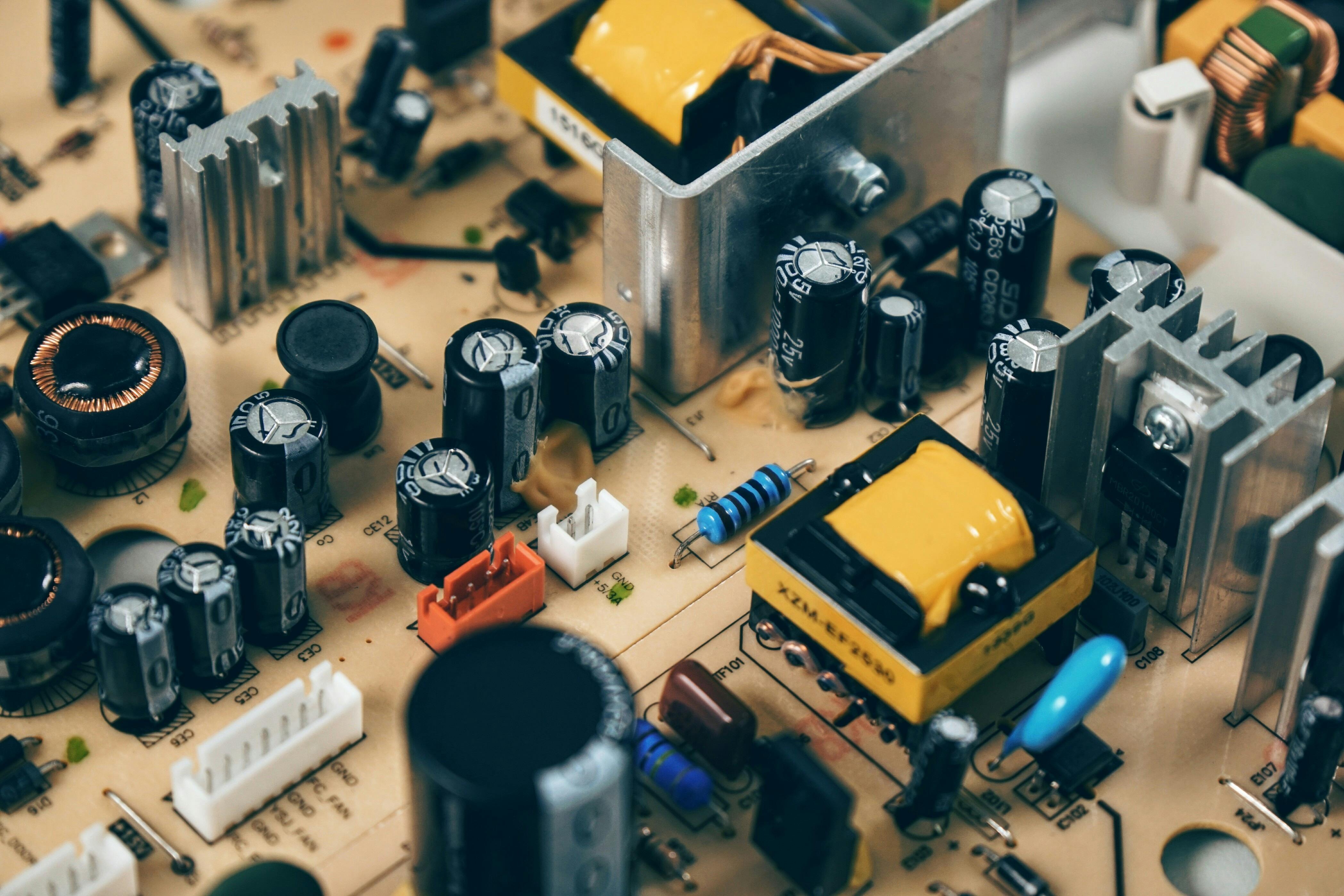
At the same time, counterfeit risk continues to rise. Industry estimates indicate that around 5% of electronic components online may be counterfeit, making due diligence essential for engineers, startups, and procurement teams alike.
This guide explains how to confidently buy electronic components online while avoiding counterfeit risks—using 2026 data, industry benchmarks, and proven validation methods.
Why Counterfeit Components Are Rising in 2026
Supply Chain Pressure + Demand Explosion
The rapid adoption of AI, IoT, and EV technologies has significantly increased demand for electronic parts online, pushing buyers toward digital sourcing channels.
- Lead times for some components still exceed 40+ weeks
- Demand for semiconductors and passive components continues to grow at 7%–12% annually
- Reports of counterfeit components have reached multi-year highs globally
Insight: As more companies purchase electronic components online, urgency and supply gaps are creating opportunities for counterfeit products to enter the market.
Key Indicators of Genuine vs Fake Components
1. Markings, Labels & Traceability
When you buy electronic components online, always start with traceability.
Check for:
- Accurate part numbers
- Manufacturer logos
- Date and lot codes
Cross-verify these details with official datasheets. Even minor inconsistencies can indicate counterfeit electronic parts online.
Expert Insight:
“Traceability is the first line of defense—without verified origin, component reliability cannot be assured.”
2. Packaging & Documentation Integrity
Authentic electronic components online follow strict packaging standards:
- Anti-static (ESD-safe) packaging
- Proper manufacturer sealing
- Matching batch and invoice details
Red flags include:
- Repackaged materials
- Mismatched labels
- Poor-quality printing
3. Physical Inspection (Visual QA)
Even when you buy electronic components online, physical inspection remains crucial after delivery.
Look for:
- Scratched or resurfaced surfaces
- Faded or misaligned markings
- Irregular pin structures
Benchmark: High-reliability industries inspect 100% of high-risk electronic parts online before use.
4. Advanced Testing for Critical Components
For applications where failure is not an option:
- X-ray inspection verifies internal structures
- Decapsulation confirms chip authenticity
- Electrical testing ensures performance accuracy
These techniques are increasingly standard when sourcing electronic components online for mission-critical use cases.
Where Most Buyers Go Wrong (2026 Procurement Mistakes)
1. Prioritizing Price Over Authenticity
When purchasing electronic parts online, pricing can be misleading.
If a deal looks significantly cheaper than market rates, it often comes with higher risk.
2. Ignoring Supplier Credibility
Not all platforms selling electronic components online offer the same level of reliability.
Trusted suppliers provide:
- Verified sourcing
- Compliance documentation
- Consistent quality assurance
3. Buying Obsolete Components Without Checks
Obsolete or hard-to-find electronic parts online carry the highest counterfeit risk.
Insight: The rarer the component, the more rigorous your verification process should be.
Industry Benchmarks for Safe Online Procurement

Trend: In 2026, companies that frequently buy electronic components online are adopting digital traceability systems to ensure transparency across the supply chain.
Actionable Framework: 5-Step Verification Checklist
Step 1: Choose Verified Sources
Only buy from trusted platforms when sourcing electronic components online.
Recommended read: https://www.pcbpower.com/blog-detail/buy-electronic-components-online
Step 2: Validate Product Details
Before you buy electronic components online, confirm:
- Part numbers
- Manufacturer specifications
- Datasheet alignment
Step 3: Inspect Packaging
Ensure:
- Original seals intact
- No relabeling
- Consistent batch details
Step 4: Perform Visual Checks
After receiving your electronic parts online, inspect for:
- Surface damage
- Marking inconsistencies
- Structural irregularities
Step 5: Test High-Risk Components
For critical applications, always validate performance through testing.
Deep dive: https://www.pcbpower.com/blog-detail/buy-electronic-components-online
Expert Takeaways for 2026 Buyers
- The shift toward buying electronic components online is accelerating—but so is risk
- Verification must be multi-layered, not optional
- Supplier credibility matters more than pricing advantages
- Advanced testing and traceability are becoming industry standards
Final Thought
As digital procurement becomes dominant, the ability to safely buy electronic components online will define product reliability and business success.
Companies that combine trusted sourcing, rigorous inspection, and smart verification strategies will not only reduce risk—but also gain a competitive edge in quality, compliance, and long-term performance.