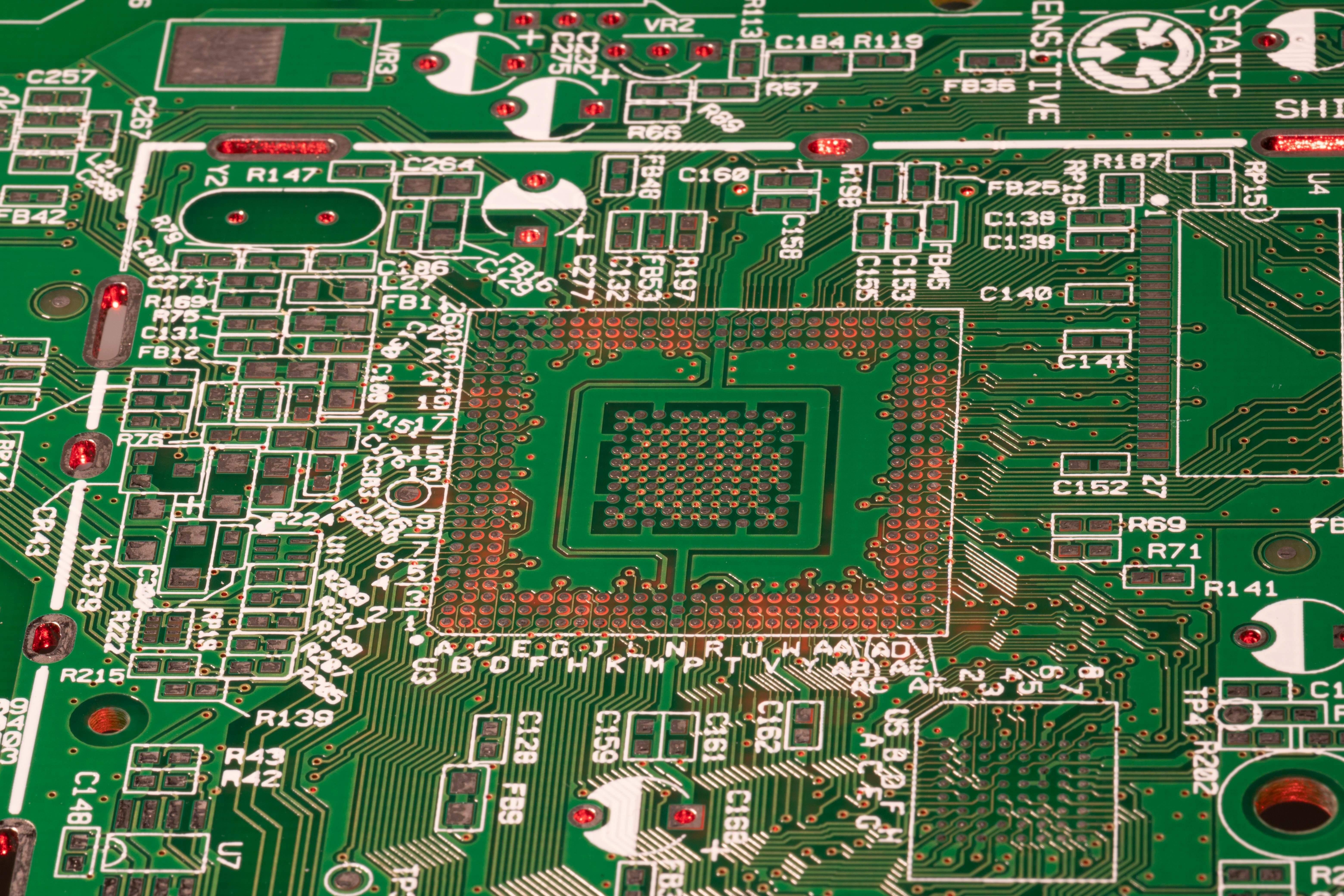
In 2026, design-for-manufacturing (DFM) principles are becoming central to successful PCB Board Design, especially when it comes to solder mask optimization.
With PCB defect rates still impacting up to 3–5% of production batches globally, poor solder mask decisions remain one of the most overlooked contributors. At scale, even minor inefficiencies in Simple PCB Layout Design can translate into significant rework costs and delays.
This guide breaks down the latest DFM guidelines, industry benchmarks, and actionable strategies to optimize solder mask design in modern PCB workflows.
Why Solder Mask Optimization Matters in 2026 PCB Design
Increasing Component Density
Modern PCB Design trends—such as HDI (High-Density Interconnect) and miniaturization—are pushing components closer together. This leaves minimal margin for solder mask errors.
- Fine-pitch components now commonly go below 0.4 mm pitch
- Trace widths are shrinking to sub-75 microns in advanced boards
- Layer counts are increasing across industries
Insight: As PCB Board Design becomes denser, solder mask precision directly impacts assembly yield and electrical reliability.
Rise of Automated Assembly
Automated pick-and-place and reflow processes demand highly consistent solder mask definitions.
Industry Benchmark:
Manufacturers report up to 20% reduction in solder bridging defects when optimized solder mask clearances are applied during PCB Design.
Core DFM Guidelines for Solder Mask Optimization
1. Maintain Optimal Solder Mask Clearance
Clearance between pad and solder mask opening is critical in PCB Design.
Recommended Standards:
- Minimum solder mask expansion: 3–5 mils (75–125 microns)
- Avoid overly tight mask openings that can cause misregistration
Why it matters:
Inconsistent clearances in Simple PCB Layout Design can lead to:
- Solder bridging
- Incomplete wetting
- Assembly defects
2. Use Solder Mask Defined (SMD) vs Non-Solder Mask Defined (NSMD) Pads Strategically
Choosing between SMD and NSMD pads is a key decision in PCB Board Design.
- NSMD pads → Preferred for most applications due to better solder joint reliability
- SMD pads → Useful in high-density or fine-pitch areas
Expert Insight:
“NSMD pads offer more predictable solder joint geometry, especially in high-speed and high-reliability PCB designs.”
3. Control Solder Mask Slivers
Solder mask slivers (thin strips between pads) are a common issue in dense PCB Design.
Best Practice:
- Maintain minimum sliver width of ≥ 4 mils (100 microns)
If slivers are too thin:
- They may peel off during manufacturing
- This exposes copper and increases short-circuit risk
4. Ensure Proper Alignment Tolerances
Misalignment between copper layers and solder mask layers is inevitable—but manageable.
DFM Guideline:
- Design with tolerance buffers of ±2–3 mils
In Simple PCB Layout Design, ignoring tolerance can result in:
- Partial pad exposure
- Assembly inconsistencies
5. Avoid Overlapping Mask Openings in Fine-Pitch Areas
For BGAs and fine-pitch ICs in advanced PCB Board Design:
- Avoid merging solder mask openings unless required
- Use “solder mask dams” to isolate pads
Insight:
Proper isolation reduces solder bridging and improves yield in automated assembly environments.
Common Mistakes in PCB Design for Solder Mask
Over-Optimizing for Space
Designers often reduce mask clearances to save space in dense layouts.
Reality:
This compromises manufacturability and increases defect rates.
Ignoring Manufacturer Capabilities
Not all fabrication processes support ultra-fine mask features.
Best Practice:
Always align your PCB Design with manufacturer-specific DFM capabilities.
Lack of Design Validation
Skipping DFM checks leads to avoidable issues during production.
For a detailed reference, see:
https://www.pcbpower.com/blog-detail/dfm-guidelines-for-solder-mask-design
Actionable Checklist for Designers
Before Finalizing Your PCB Design:
- Validate solder mask clearances
- Check sliver widths across dense areas
- Confirm pad definitions (SMD vs NSMD)
- Align design rules with manufacturer capabilities
- Run DFM validation tools
During Layout Optimization:
- Maintain consistency in PCB Board Design rules
- Avoid last-minute adjustments that affect solder mask geometry
- Simulate assembly scenarios where possible
Additional insights and guidelines:
https://www.pcbpower.com/blog-detail/dfm-guidelines-for-solder-mask-design
Final Thought
In 2026, successful PCB Design is defined not just by functionality—but by how efficiently it transitions from design to production.
By applying robust DFM guidelines for solder mask optimization, engineers can ensure higher yields, fewer defects, and more reliable products—making their PCB Board Design truly production-ready from day one.