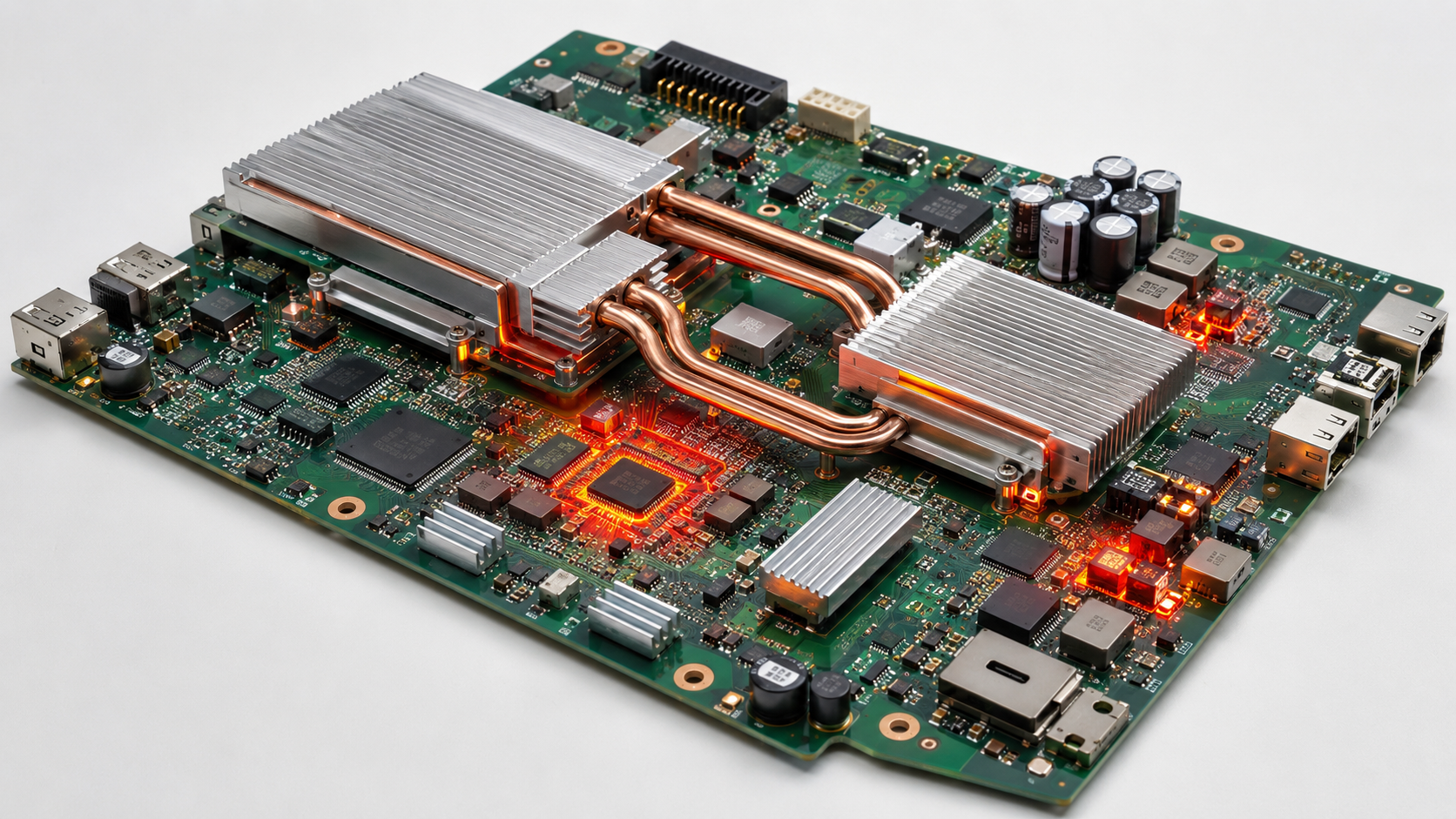
Excessive heat can damage electronic components, reduce efficiency, and shorten product lifespan if it is not managed properly.
This is why thermal management has become an essential part of modern pcb board assembly, especially in industries such as automotive, medical electronics, aerospace, telecommunications, and industrial automation.
In this article, we’ll discuss the most effective thermal management techniques used in PCB design, how thermal performance affects pcb manufacturing and assembly, and why choosing professional printed circuit board assembly services is important for long-term product reliability.
Why Thermal Management Matters in PCB Board Assembly
Thermal management refers to the process of controlling and dissipating heat generated by electronic components mounted on a PCB. Every active component produces heat during operation. If this heat is not removed efficiently, it can cause several issues, including:
- Component damage
- Signal integrity problems
- Reduced device performance
- Shorter product lifespan
- Reliability failures in high-power applications
As electronic devices continue to become more compact, thermal performance becomes increasingly important in pcb board assembly. High-density boards containing processors, LEDs, power modules, and communication devices require advanced heat control strategies to maintain stable operating temperatures.
Poor thermal management during pcb manufacturing and assembly may also lead to expensive maintenance costs, product failures, and reliability concerns.
Common Causes of Overheating in PCB Assembly
Understanding the major reasons behind overheating helps engineers design more reliable PCBs.
High Component Density
Modern electronics often use compact PCB layouts with multiple components placed in limited space. This increases heat concentration and reduces natural airflow between components.
Poor PCB Layout Design
Incorrect placement of heat-generating components can create thermal hotspots on the board. Proper spacing and positioning are necessary for better heat dissipation.
Inadequate Cooling Methods
Without proper cooling solutions such as thermal vias or heat sinks, heat can remain trapped within the PCB structure.
Low Thermal Conductivity Materials
Using low-quality substrate materials may reduce heat transfer efficiency, leading to higher operating temperatures.
Effective Thermal Management Techniques for PCB Board Assembly
Thermal optimization should be considered during the early design stage to improve performance and reliability.
Proper PCB Layout Design
A well-planned layout is one of the most important factors in thermal management.
Best Practices Include:
- Separating heat-producing components
- Keeping temperature-sensitive components away from hot zones
- Improving airflow paths
- Reducing thermal bottlenecks
An optimized layout helps improve both electrical performance and reliability in pcb board assembly.
Thermal Vias
Thermal vias are small conductive holes that transfer heat from one PCB layer to another.
Benefits of Thermal Vias:
- Better heat dissipation
- Improved temperature distribution
- Reduced hotspot formation
Thermal vias are commonly used in multilayer and high-power PCB applications.
Heat Sinks and Cooling Solutions
Heat sinks help remove excess heat from electronic components and release it into the surrounding environment.
Common Cooling Methods:
- Passive cooling using heat sinks
- Active cooling using fans
- Liquid cooling for advanced systems
These cooling solutions are widely integrated into modern pcb manufacturing and assembly projects where thermal performance is critical.
Copper Thickness Optimization
Copper layers play a major role in spreading heat across the PCB surface.
Benefits of Thicker Copper:
- Higher thermal conductivity
- Lower electrical resistance
- Better power handling capability
Heavy copper PCBs are commonly used in industrial control systems and power electronics.
High Thermal Conductivity Materials
PCB material selection also affects overall thermal performance.
Common PCB Materials Include:
- FR4 for standard applications
- Aluminum-based PCBs
- Rogers materials for high-frequency circuits
Advanced substrate materials help improve heat transfer and long-term durability.
Importance of PCB Fabrication in Thermal Performance
Thermal efficiency depends not only on design but also on manufacturing quality.
Professional pcb fabrication ensures:
- Accurate copper thickness
- Reliable via structures
- Proper layer alignment
- Consistent thermal conductivity
Poor fabrication quality can increase electrical resistance and create unwanted heat generation.
Experienced printed circuit board assembly services use advanced quality inspection methods to maintain thermal reliability throughout the manufacturing process.
At PCB Power, thermal performance is carefully considered throughout every stage of the pcb manufacturing and assembly process. From controlled fabrication methods and balanced copper distribution to advanced inspection systems, the engineering team focuses on delivering reliable thermal stability for high-density and high-power applications.
Thermal Design Considerations During Assembly
Thermal management should continue during PCB assembly and testing stages.
Component Selection
Choosing energy-efficient components with better thermal ratings helps reduce overall heat generation.
SMT Assembly and Thermal Impact
Surface Mount Technology enables compact and high-speed designs, but it can also increase heat concentration.
Modern pcb board assembly processes use optimized SMT placement strategies to improve thermal performance and reduce overheating risks.
Soldering Quality
Poor solder joints can create resistance points that generate additional heat and reduce reliability.
Inspection and Thermal Testing
Thermal testing helps identify hotspots and possible failure areas before final production.
Common Inspection Methods:
- Automated Optical Inspection (AOI)
- X-ray inspection
- Thermal imaging analysis
Reliable pcb manufacturing and assembly processes always include proper thermal inspection procedures.
SMT vs Through-Hole Assembly – Thermal Impact

Surface Mount Technology offers excellent performance for compact electronic products, but it also requires advanced thermal management techniques to maintain safe operating temperatures.
Best Practices to Prevent Overheating
Following proven industry practices can significantly improve thermal reliability in pcb board assembly.
Improve Airflow
Proper airflow inside the enclosure helps remove excess heat efficiently.
Use Thermal Simulation Software
Thermal analysis tools help engineers identify heat concentration areas before manufacturing begins.
Reduce Power Density
Distributing power-hungry components evenly across the board helps minimize localized heating.
Optimize Heat Distribution
Balanced copper planes and thermal vias help spread heat more effectively across the PCB.
Industries Where Thermal Management is Essential
Thermal management plays a critical role in several industries where reliability and performance are extremely important.
Automotive Electronics
Electric vehicles, ADAS systems, and battery management units generate significant heat during operation.
Medical Devices
Medical electronics require stable thermal performance for safe and accurate functionality.
Aerospace and Defense
Extreme environmental conditions demand highly reliable thermal control systems.
Industrial Automation
Industrial power electronics and automation systems often operate continuously under high thermal loads.
Choosing the Right PCB Manufacturing Partner
Selecting the right printed circuit board assembly services provider is important for achieving reliable thermal performance.
A professional manufacturing partner should offer:
- Advanced thermal design support
- High-quality pcb fabrication
- AOI and X-ray inspection
- IPC-compliant assembly standards
- Fast turnaround and engineering assistance
An experienced company ensures reliable pcb board assembly and long-term product stability.
Conclusion
As modern electronics continue to become smaller and more powerful, thermal management has become one of the most important aspects of PCB design and manufacturing. Proper thermal control improves performance, enhances reliability, and extends product lifespan.
From optimized PCB layouts and thermal vias to advanced cooling systems and high-quality pcb manufacturing and assembly processes, every stage plays a major role in controlling heat effectively.
PCB Power provides advanced pcb manufacturing and assembly solutions designed to support high-performance electronic applications with precision, reliability, and engineering expertise. Our solutions help businesses achieve reliable thermal performance, precision SMT assembly, and long-term product durability for demanding industries worldwide.
Know More : https://www.pcbpower.us/blog/thermal-management-pcb-design