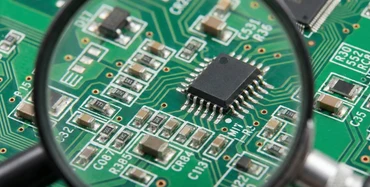
This is where PCB Design for SMT Assembly becomes essential. A design that does not follow proper manufacturability practices can lead to component misalignment, soldering defects, increased inspection time, and costly rework.
In this guide, we will explore how common PCB Design Mistakes Assembly can increase production costs and how following the right PCB Manufacturability Guidelines can significantly improve the SMT Assembly Process.
Understanding PCB Design for SMT Assembly
Surface Mount Technology (SMT) is the most widely used method for assembling electronic circuits. The SMT Assembly Process involves placing electronic components directly onto the surface of the PCB using automated pick-and-place machines and soldering techniques.
However, efficient SMT assembly depends heavily on proper PCB Design for SMT Assembly. When a PCB is designed without considering assembly requirements, manufacturers face challenges such as:
- Component placement conflicts
- Poor solder joint quality
- Increased production time
- Higher defect rates
By following well-defined PCB Manufacturability Guidelines, designers can avoid these issues and ensure smooth production.
Common PCB Design Mistakes That Increase Assembly Costs
Many PCB designers unknowingly introduce problems that make assembly more expensive. These PCB Design Mistakes Assembly issues are common across industries.
1. Poor SMT Component Placement Rules
Incorrect component placement is one of the most frequent problems affecting the SMT Assembly Process. Ignoring proper SMT Component Placement Rules can lead to inefficient machine programming and assembly errors.
For example:
- Components placed too close together make automated placement difficult
- Incorrect orientation of polarized components increases assembly complexity
- Lack of consistent spacing prevents proper soldering
Following proper SMT Component Placement Rules ensures smooth machine operation and reduces assembly defects.
2. Insufficient Spacing Between Components
Component density is increasing in modern electronics, but excessive crowding can create problems during assembly. When components are placed too close together, solder bridges and inspection difficulties become more common.
According to standard PCB Manufacturability Guidelines, designers should:
- Maintain sufficient clearance between components
- Allow adequate space for soldering and rework
- Consider automated optical inspection (AOI) requirements
These small design considerations can significantly reduce manufacturing issues.
3. Incorrect Pad and Footprint Design
Another major factor affecting PCB Design for SMT Assembly is incorrect pad geometry or footprint selection. Pads that are too small, too large, or improperly shaped can cause soldering defects.
Common problems include:
- Tombstoning of small components
- Poor solder joint formation
- Component shifting during reflow
Following recommended footprint libraries and industry standards helps avoid these issues and improves the overall SMT Assembly Process.
4. Lack of Design for Manufacturability (DFM)
Design for Manufacturability is a crucial concept that many engineers overlook. Ignoring PCB Manufacturability Guidelines can result in designs that are technically functional but difficult to build.
A DFM-friendly design considers:
- Assembly line limitations
- Automated placement requirements
- Soldering process compatibility
This is why professional manufacturers such as PCB Power in India encourage early collaboration between designers and fabrication partners.
When design teams consider manufacturing constraints early, they reduce costly redesigns and assembly delays.
5. Poor Fiducial Mark Placement
Fiducial marks help assembly machines accurately locate the PCB during the SMT Assembly Process. If these markers are missing or incorrectly placed, component alignment errors become more likely.
Proper PCB Manufacturability Guidelines recommend:
- Global fiducials for board alignment
- Local fiducials for fine-pitch components
- Clear spacing around fiducial marks
Ignoring these details can significantly slow down automated assembly.
Why PCB Design Must Align with Fabrication Assembly Requirements
PCB design should consider manufacturing and assembly rules.
Working with an experienced PCB Fabrication partner ensures that the design meets both manufacturing and assembly requirements.
Modern PCB technologies such as Flex PCB in Fabrication and Rigid Flex PCB designs require even more attention to detail. These advanced boards offer significant advantages in compact devices but demand strict adherence to PCB Manufacturability Guidelines.
This is why many companies choose to Partner with PCB Power to streamline both fabrication and assembly stages.
Best Practices for Cost-Efficient PCB Design
To avoid unnecessary assembly expenses, engineers should adopt the following practices:
- Follow recommended SMT Component Placement Rules
- Maintain proper spacing between components
- Use standard footprint libraries
- Include fiducial markers for machine alignment
- Follow industry PCB Manufacturability Guidelines
By implementing these strategies, designers can optimize PCB Design for SMT Assembly and reduce production costs.
Conclusion
A well-optimized PCB Design for SMT Assembly can significantly lower manufacturing costs while improving product reliability. Many assembly issues originate not in production but in the design phase.
By avoiding common PCB Design Mistakes Assembly, following proper SMT Component Placement Rules, and adhering to industry PCB Manufacturability Guidelines, engineers can streamline the entire SMT Assembly Process.