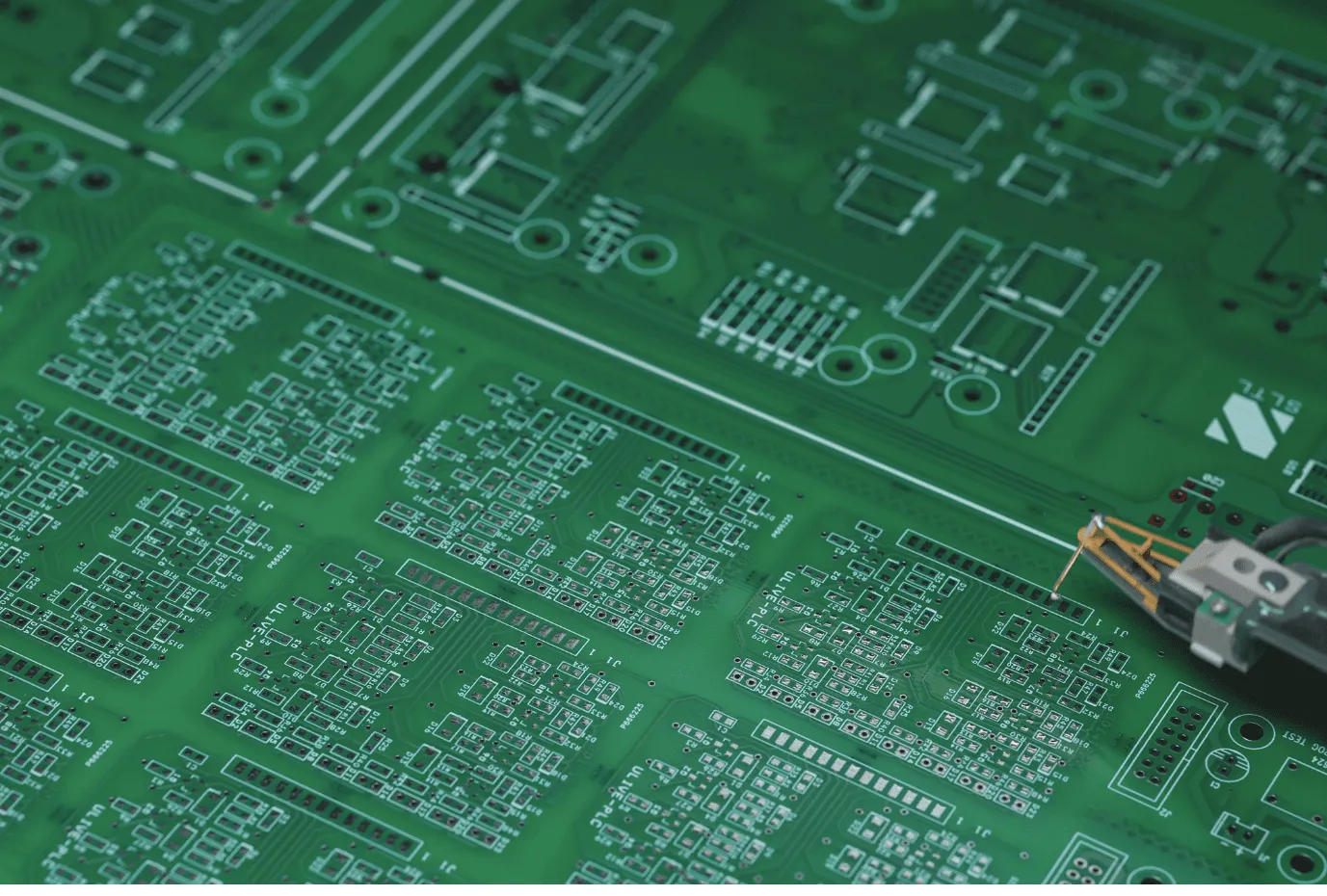
In this beginner-friendly guide, we’ll break down Flex PCB Fabrication in simple terms. You will learn exactly how a flexible circuit board is designed, built, tested, and delivered. Whether you're researching suppliers or building your first prototype, this guide will help you understand what happens behind the scenes at a professional flex PCB manufacturer like PCB Power.
What Is Flex PCB Fabrication?
Flex PCB Fabrication is the process of creating flexible printed circuit boards that can bend, twist, and fold without breaking. Unlike rigid PCBs made from FR-4, Flex PCBs use flexible materials like polyimide that allow them to fit into compact or curved spaces.
Because of this flexibility, they are widely used in smartphones, hearing aids, medical devices, drones, EVs, and aerospace electronics.
At PCB Power, we support engineers across industries with high-precision flex and rigid flex PCB fabrication, delivering long-lasting performance and reliability.
Flex PCBs vs. Rigid PCBs: What’s the Difference?
Before diving into the fabrication process, it's important to understand what makes Flex PCBs unique.

Step 1: Designing the Flex PCB
Designing a Flex PCB requires planning for both electrical performance and mechanical movement.
Beginners must consider:
- Bend radius (the minimum angle the flex can safely bend)
- Trace width and spacing
- Stretch and stress points
- Component placement to avoid cracking
Flexible circuits work best when designed early with proper guidelines. At PCB Power, our engineering team helps customers optimize layouts before fabrication begins—saving time and reducing redesign costs.
Step 2: Choosing the Right Materials
Material selection plays a huge role in the reliability of flexible circuits.
Common materials include:
- Polyimide (PI) – the flexible base material
- Copper foil – for electrical pathways
- Adhesive-free laminates – for better thermal reliability
- Coverlay films – replacing solder mask in flexible applications
Top flexible printed circuit manufacturers choose material stacks based on durability, bend cycles, temperature stability, and end-use application.
Step 3: Imaging & Etching the Copper Circuit Pattern
This is where the actual circuitry begins to take shape.
The process includes:
- Applying photoresist
- Exposing the circuit pattern
- Developing the copper image
- Etching away unwanted copper
- Cleaning and preparing the surface
This step defines the electrical pathways of your design. Precision is extremely important, especially for high-density or flexible-interconnect applications.
Step 4: Drilling & Via Formation
Vias are tiny holes that allow electrical connections between layers.
Flex PCB drilling methods include:
- Laser drilling for micro-vias
- Mechanical drilling for standard vias
Because the material is thin and flexible, drilling must be extremely accurate to prevent tearing or deformation. A professional flex PCB manufacturer uses automated equipment to ensure perfect alignment and plated-through holes.
Step 5: Plating, Coverlay & Surface Finish
Once the holes are drilled, copper is plated inside them, forming long-lasting electrical paths.
Next comes:
Coverlay Lamination
Flex PCBs do not use traditional solder masks. Instead, a polyimide coverlay protects the copper while allowing flexibility.
Surface Finishes
Surface finishes protect exposed copper pads and ensure good solderability during assembly. Common finishes include ENIG, OSP, and immersion tin.
Flex PCBs require smooth and reliable finishes to maintain flexibility during repeated bending cycles.
Step 6: Cutting, Shaping & Forming the Final Outline
Flexible circuits must be cut into precise shapes without causing damage.
Manufacturers may use:
- Laser cutting
- CNC routing
- Die punching
The goal is to maintain structural integrity so the flex board can fold into housings or devices without cracking.
Step 7: Assembly on Flex PCBs
Assembly is where components are placed onto the flexible substrate.
Custom challenges include:
- Thin material requires special handling
- Flex circuits can warp under heat
- Component areas must remain flat
Experienced flex circuit board manufacturers use carriers and stiffeners during assembly to ensure accuracy and protect delicate circuits.
At PCB Power, we specialize in providing flex PCB fabrication services to streamline the process for our customers.
Step 8: Quality Testing & Inspection
Testing ensures the flex circuit performs correctly under mechanical and electrical loads.
Common flex PCB tests include:
- Electrical continuity & isolation testing
- Bend endurance testing
- AOI (Automated Optical Inspection)
- Functional circuit testing
Because flex boards often operate in demanding environments, rigorous testing is essential.
Why Choose PCB Power for Flex PCB Fabrication?
PCB Power has been a trusted partner for engineers and OEMs for over 20 years. When it comes to Flex PCB Fabrication, we offer:
- Advanced manufacturing capabilities
- High-quality materials and precision processes
- Fast prototyping and reliable production timelines
- Expertise in both flex and rigid-flex technology
- Transparent pricing and engineering support
Whether you're designing a wearable device, medical sensor, automotive system, or aerospace assembly, we ensure durability, accuracy, and consistent performance.
Conclusion
Understanding the step-by-step process of Flex PCB Fabrication helps beginners appreciate how flexible circuits are built and why they are essential in modern electronics. When done correctly, flex boards offer unmatched performance, compactness, and reliability.
Partnering with an experienced flex PCB manufacturer like PCB Power ensures your designs are optimized, tested, and ready for real-world applications.
FAQs
1. What is Flex PCB Fabrication?
It is the process of creating flexible circuit boards that can bend without breaking, used in medical, consumer electronics, automotive, and aerospace industries.
2. Are Flex PCBs better than rigid PCBs?
Flex PCBs offer greater durability in vibration environments, reduce wiring, and fit into compact spaces—making them ideal for modern electronics.
3. What is rigid-flex PCB fabrication?
Rigid-flex combines rigid and flexible layers, offering both strength and flexibility. These boards are used in mission-critical devices like drones and satellites.
4. How long does Flex PCB Fabrication take?
It depends on complexity, layer count, and material availability. Prototypes take a few days to a week; production orders may take longer.
5. Can Flex PCBs handle high temperatures?
Yes. Polyimide-based flex circuits have excellent thermal stability and can operate reliably in high-temperature environments.