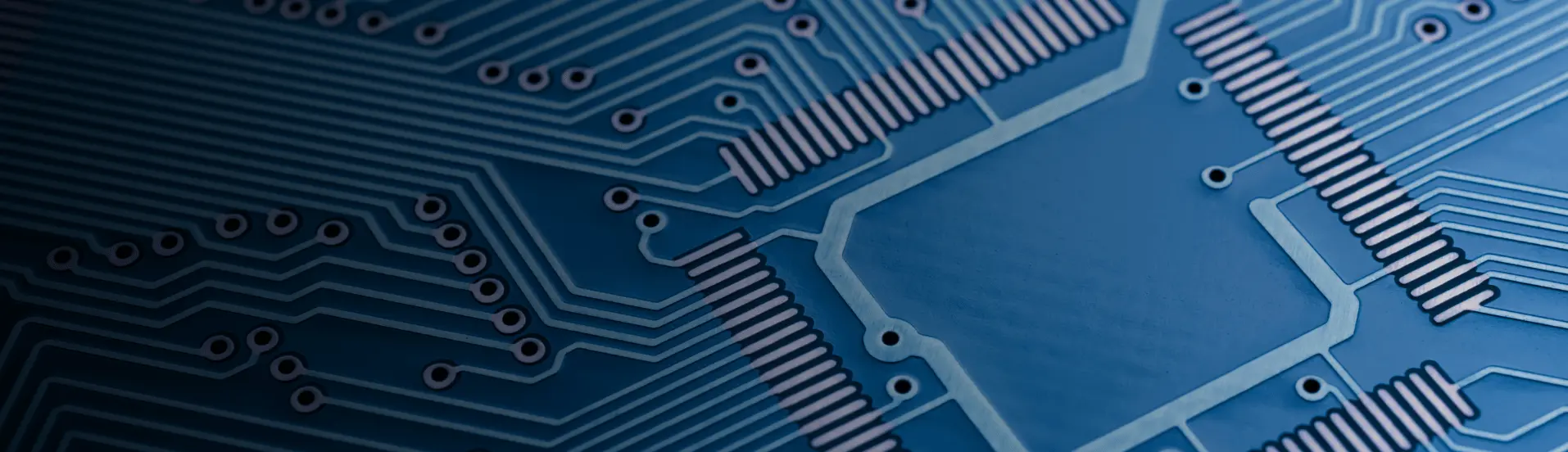
This makes Quality Control for PCB manufacturing an essential part of the entire production process. In this blog, we'll walk you through a complete PCB manufacturing checklist designed to ensure top-tier quality at every stage — from PCB fabrication to PCB assembly and testing. By following this comprehensive PCB manufacturing checklist for quality control, manufacturers can reduce errors, enhance durability, and ensure consistent product performance.
1. Understanding the Importance of a PCB Manufacturing Checklist
A well-structured PCB manufacturing checklist helps manufacturers maintain quality standards, minimize defects, and streamline production processes. It provides a systematic approach for identifying potential issues early — before they turn into costly production failures.
When applied consistently, this checklist ensures:
- Compliance with IPC standards.
- Optimal performance of electrical components.
- Reduced rework and scrap.
- Faster turnaround in PCB fabrication and assembly processes.
2. Key Stages of PCB Manufacturing and Quality Control
a. PCB Design and Layout Verification
Before manufacturing even begins, a detailed PCB layout check is crucial. Engineers must verify the schematic design, trace widths, component placement, and layer stack-up. Using advanced tools ensures the design is optimized for signal integrity and manufacturability.
Checklist Tip:
- Validate design files using DFM (Design for Manufacturability) guidelines.
- Run Electrical Rule Check (ERC) and Design Rule Check (DRC) before proceeding.
b. PCB Fabrication Quality Checks
PCB fabrication is where the base materials are converted into actual boards. Every step — from copper plating to etching — must meet strict quality standards.
Checklist Tip:
- Inspect raw materials for quality compliance.
- Ensure uniform copper thickness.
- Verify layer alignment and hole registration accuracy.
- Perform visual and automated optical inspections (AOI) after etching.
- Perform electrical probe testing: for bare PCBs execute continuity and isolation tests after plating and before final finish.
Following a PCB manufacturing checklist for quality control at this stage helps prevent defects like short circuits, open traces, or warping.
c. Component Sourcing and Verification
Reliable component sourcing is essential for maintaining consistency and reliability in the final product. Always source components from verified suppliers and ensure they meet specified tolerances and RoHS compliance.
Checklist Tip:
- Check all components against BOM (Bill of Materials).
- Verify part authenticity through traceable supply chains.
- Store components in an ESD-safe environment.
d. PCB Assembly Quality Control
During PCB assembly, quality control involves monitoring solder paste printing, pick-and-place accuracy, and reflow soldering profiles.
Checklist Tip:
- Inspect solder paste application using PCB stencils for consistency.
- Use X-ray inspection for BGAs and hidden joints.
- Conduct in-circuit testing (ICT) for early defect detection.
Adhering to the quality control for PCB manufacturing checklist ensures all assemblies meet performance requirements before functional testing.
e. Testing and Final Inspection
The final stage involves thorough testing to verify electrical functionality, durability, and reliability.
Checklist Tip:
- Conduct functional testing under real operating conditions.
- Use thermal cycling and vibration tests for reliability assessment.
- Perform visual inspection and AOI for final verification.
At this point, all results should be documented and compared against your PCB manufacturing checklist to ensure full compliance before shipment.
3. Common Quality Control Tools and Techniques
To maintain excellence in PCB fabrication and assembly, manufacturers often rely on specialized tools:
- Automated Optical Inspection (AOI) for defect detection.
- X-ray Inspection Systems for hidden joint analysis.
- Flying Probe Testing for prototype verification.
- Functional Testing Equipment for real-world performance validation.
Using these tools in tandem with a detailed PCB manufacturing checklist for quality control can dramatically reduce errors and improve efficiency.
4. The Role of Documentation and Traceability
Quality control isn't just about inspection — it's also about traceability. Keeping detailed records throughout the production process allows manufacturers to identify root causes of any issue and implement corrective actions quickly.
Your documentation should include:
- Material certifications
- Test results and reports
- Inspection checklists
- Assembly rework logs
A transparent documentation process ensures long-term quality consistency and builds customer trust.
5. Partnering with the Right PCB Manufacturer
Ensuring quality control often depends on choosing the right partner. At PCB Power, we specialize in PCB fabrication, PCB assembly, PCB layout, component sourcing, and PCB stencil solutions. Our quality management system follows rigorous IPC standards and ISO certifications, ensuring each PCB meets global performance benchmarks.
By collaborating with experienced manufacturers like PCB Power, businesses can streamline production and ensure every project passes the PCB manufacturing checklist for quality control with flying colors.
FAQs About PCB Manufacturing Quality Control
Q1. Why is a PCB manufacturing checklist important?
A PCB manufacturing checklist ensures every production stage meets strict quality standards, reducing errors and ensuring consistency.
Q2. How can I maintain quality during PCB fabrication?
Follow strict inspection procedures, use certified materials, and monitor every process step — from copper plating to final testing.
Q3. What are the key steps in quality control for PCB manufacturing?
Design verification, material inspection, component sourcing, assembly testing, and final inspection are all crucial stages.
Q4. How do PCB stencils affect quality control?
Proper PCB stencil use ensures precise solder paste application, improving solder joint quality and reducing assembly defects.
Q5. Does PCB Power provide quality assurance services?
Yes, PCB Power offers end-to-end manufacturing with integrated quality control for all PCB services.
Conclusion
Quality control is not just a step — it's the backbone of reliable PCB manufacturing. By following a comprehensive PCB manufacturing checklist for quality control, businesses can minimize risk, ensure product reliability, and meet customer expectations every time. Partnering with a trusted manufacturer like PCB Power guarantees that every circuit board is built with precision, performance, and perfection.