However, turning a PCB design into a working electronic product involves two very different steps: PCB fabrication and PCB assembly.
Although these terms are often used together, they serve completely different purposes. Fabrication creates the physical board, while assembly turns that board into a working unit by adding components. Understanding the difference helps engineers, startups, and product teams plan better, reduce delays, and avoid costly mistakes.
What Is PCB Fabrication?
PCB fabrication is the process of making the bare circuit board. This board acts as the base that supports and connects all electronic parts. You can think of fabrication as building the foundation of a house before installing doors, wiring, or furniture.
During fabrication, copper layers are bonded to an insulating material, usually FR-4. Unwanted copper is removed to create the circuit paths. Holes are drilled to allow electrical connections between layers, and multiple layers are pressed together when needed. A surface finish is then applied to protect the copper and improve soldering later. Finally, electrical testing checks that the board has no short circuits or broken connections.
At the end of this process, the result is a solid and tested board—but it still cannot perform any function on its own.
What Is PCB Assembly?
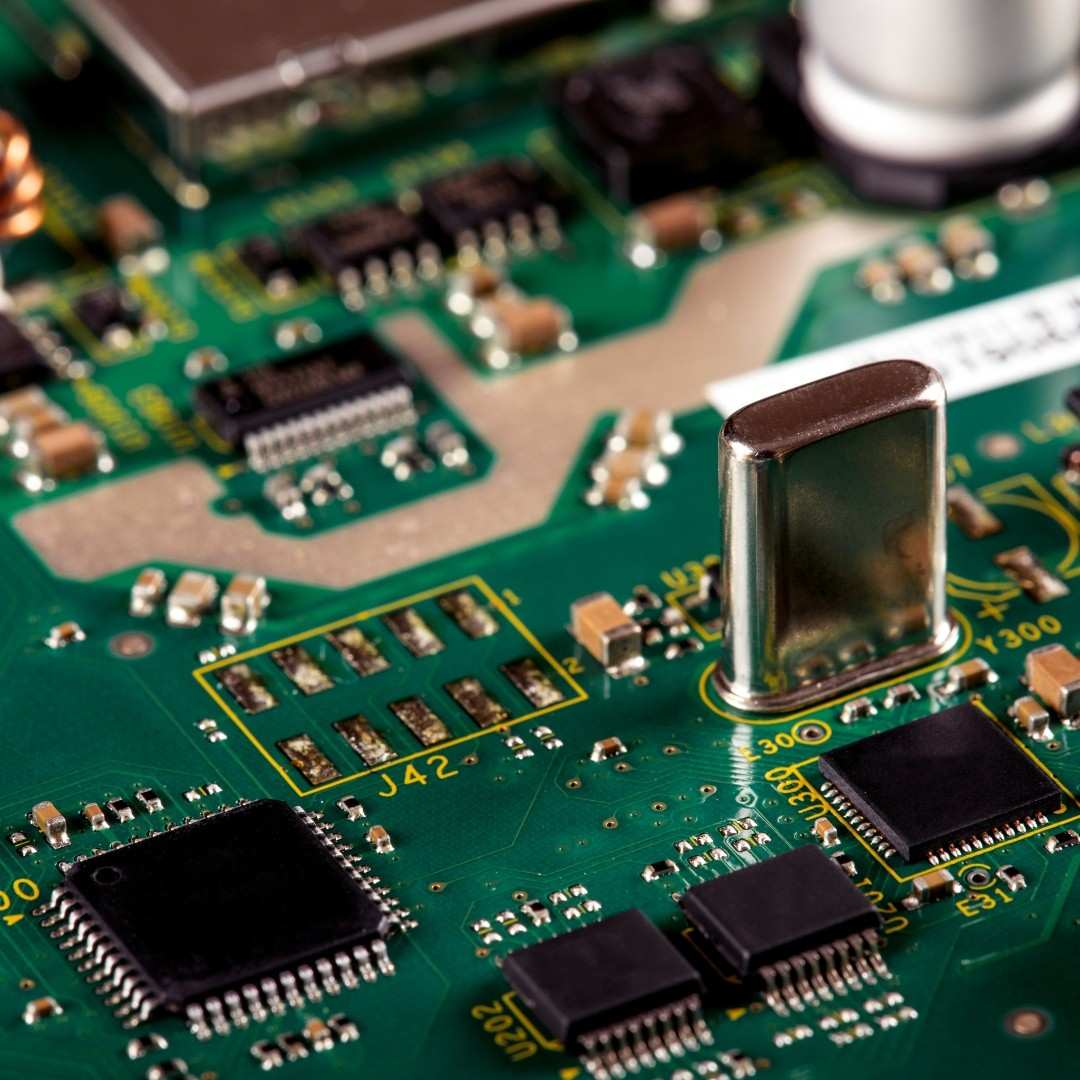
PCB assembly, also known as PCBA, is where the board becomes functional. This stage involves placing electronic components onto the fabricated board and fixing them in place using solder.
The process usually starts with applying solder paste to the board. Machines then place components like resistors, chips, and connectors onto the correct spots. Heat is applied so the solder melts and securely holds the parts in place. After soldering, inspections are carried out to make sure components are correctly placed and connected. Final tests confirm that the board works as expected.
While fabrication focuses on structure, assembly focuses on function. Both steps must work together for reliable performance.
Key Differences Between Fabrication and Assembly
PCB fabrication is always the first step and deals with materials, layers, and circuit paths. PCB assembly comes next and focuses on placing parts and making electrical connections. Fabrication produces a bare board, while assembly produces a complete and working unit.
In simple terms, fabrication builds the platform, and assembly brings it to life.
Why It Helps When Fabrication and Assembly Work Together
When fabrication and assembly are handled by the same manufacturer, the entire process becomes smoother.
Production moves faster because there is no delay in shipping boards between vendors. Quality control improves because one team checks both the board structure and the component placement. Communication is also simpler, since there is only one point of contact who understands the full project.
Most importantly, problems are identified early. Issues related to board size, hole alignment, or component fit can be fixed before they affect final production.
Final Thoughts
PCB fabrication and PCB assembly are two essential parts of electronics manufacturing. Fabrication creates the board’s shape and pathways, while assembly adds the components that make the board work. Knowing the difference helps teams make better decisions, control costs, and avoid last-minute surprises.
At PCB Power, both fabrication and assembly are managed under one coordinated process. From board design support to final assembly, this integrated approach helps customers move from prototype to production faster while maintaining consistent quality.
If you are planning your next PCB project, working with a single partner for both fabrication and assembly can save time, reduce complexity, and improve overall results.