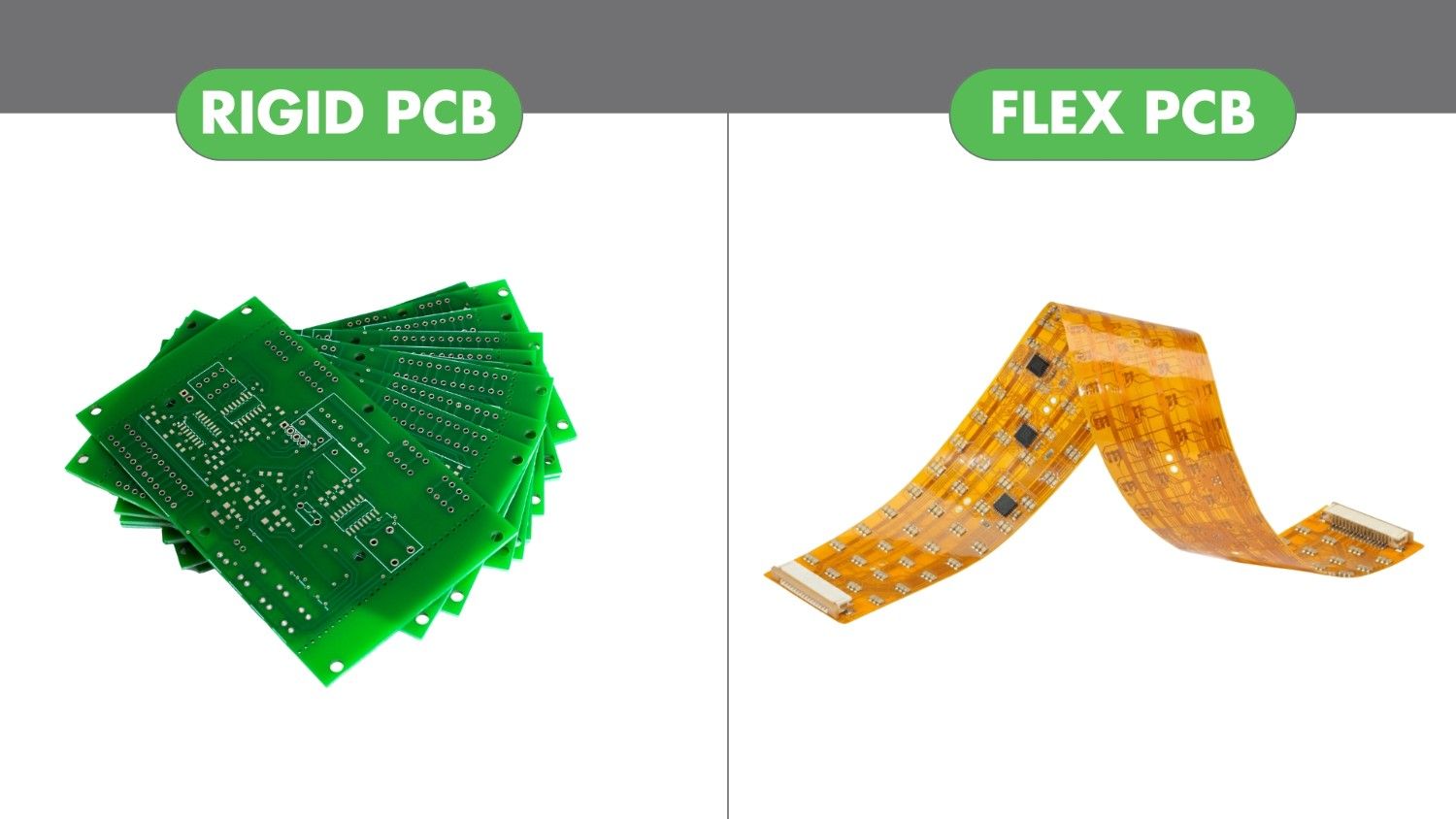
To meet these expectations, the industry is evolving toward smarter manufacturing workflows, combining proven engineering practices with selective automation and data-driven decision-making. Rather than a sudden shift to full artificial intelligence, most manufacturers are adopting practical, gradual enhancements that improve efficiency, quality, and scalability without disrupting established production models.
This article explores the key trends shaping the future of flex and rigid-flex PCB manufacturing, with a balanced view on automation and intelligent systems as supporting tools - not replacements - for engineering expertise.
Smarter Flex PCB Design: Fewer Iterations, Better Predictability
Moving Beyond Manual Trial-and-Error
Flex PCB design has always required careful consideration of bend areas, material behavior, signal integrity, and mechanical reliability. Traditionally, this relied heavily on engineer experience and multiple design iterations, especially for complex rigid-flex layouts.
Today, modern design tools help engineers evaluate design constraints earlier in the cycle. Simulation-based analysis, historical design references, and rule-driven optimization allow teams to identify potential stress points, routing challenges, and impedance issues before prototyping.
While some platforms incorporate limited AI-assisted analysis, their primary value lies in faster validation and improved predictability, helping reduce development time and unnecessary redesigns.
Practical Design for Manufacturability (DFM)
Design for Manufacturability remains a critical success factor in flex PCB production. Instead of relying solely on static rule checks, manufacturers increasingly use production feedback and process data to refine DFM guidelines.
This approach enables earlier identification of manufacturability risks, better material selection for long-term flex reliability, and closer alignment with IPC standards. The result is smoother transitions from design to production and more consistent outcomes in volume manufacturing.
Automation in Flexible PCB Production: Consistency Over Complexity
Targeted Automation on the Shop Floor
Automation in flex PCB manufacturing is evolving in a practical and focused manner. Rather than full autonomy, manufacturers are implementing process-specific automation to improve repeatability and precision in areas such as laser drilling, lamination, coverlay alignment, and surface finishing.
Automated equipment helps maintain tighter tolerances, reduce variability, and improve throughput - especially important for fine-pitch and high-density flex circuits. In some cases, data-assisted controls adjust parameters based on material behavior and process history, enhancing consistency without over-engineering the system.
Supporting Workforce and Cost Stability
With skilled labor shortages affecting manufacturing globally, automation plays a key role in maintaining stable output and reducing dependency on manual intervention. Well-designed automated workflows minimize human error, support high-mix production, and help control long-term operating costs - without eliminating the need for skilled technicians and process engineers.
Quality Control in Flex PCB Fabrication: Data-Driven Improvement
Advanced Inspection with Practical Intelligence
Quality inspection in flex PCB fabrication has advanced significantly through improved machine vision and inspection algorithms. Modern AOI and inspection systems are better equipped to detect fine defects such as micro-cracks, delamination, and coverlay inconsistencies.
Rather than relying solely on fixed thresholds, these systems use adaptive logic and historical reference data to distinguish acceptable variations from true defects. This improves detection accuracy while reducing unnecessary false rejects - an important factor for high-density and precision flex applications.
Continuous Yield Enhancement
By correlating inspection results with upstream process conditions, manufacturers can identify recurring issues and refine process controls. This feedback-driven approach supports gradual yield improvement, more stable production, and better long-term reliability without the need for fully autonomous AI systems.
Managing Rigid-Flex Complexity with Better Integration
Rigid-flex PCBs combine the challenges of rigid boards and flexible circuits, making process coordination especially critical. Improved simulation tools, controlled lamination processes, and tighter layer registration techniques help manufacturers manage transitions between rigid and flex zones more effectively.
Data integration across design, fabrication, and inspection enables manufacturers to standardize best practices, reduce variability, and ensure consistent performance - particularly for demanding sectors such as medical, automotive, aerospace, and industrial electronics.
Future Trends in Flex PCB Manufacturing
Digital Process Modeling and Predictive Maintenance
One emerging trend is the use of digital process models to simulate production changes, evaluate throughput, and plan maintenance more effectively. These tools allow manufacturers to optimize processes before making physical adjustments, reducing downtime and improving equipment utilization.
Sustainability Through Process Optimization
Environmental responsibility is becoming a priority across the PCB industry. Smarter process control helps reduce material waste, improve chemical usage efficiency, and lower energy consumption. Incremental intelligence and automation support sustainability goals while maintaining production quality.
Scalable Manufacturing for Next-Generation Products
From foldable consumer devices to compact medical electronics, future applications demand scalable, high-reliability flex PCB solutions. Manufacturers that combine strong engineering fundamentals with selective automation and data-driven improvements will be best positioned to scale production without sacrificing precision.
Conclusion: Building the Future of Flex PCB Manufacturing
The future of flex and rigid-flex PCB manufacturing is not defined by full automation or heavy AI adoption alone. Instead, it lies in balanced innovation - where proven engineering, targeted automation, and intelligent use of data work together to improve quality, efficiency, and scalability.
Manufacturers that focus on process stability, smart tooling, and continuous improvement will be well-equipped to support next-generation electronic applications while maintaining reliability and cost control in an increasingly competitive market.