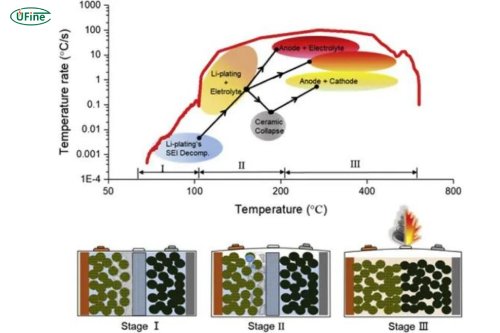
1. The Basics of LiPo Charging
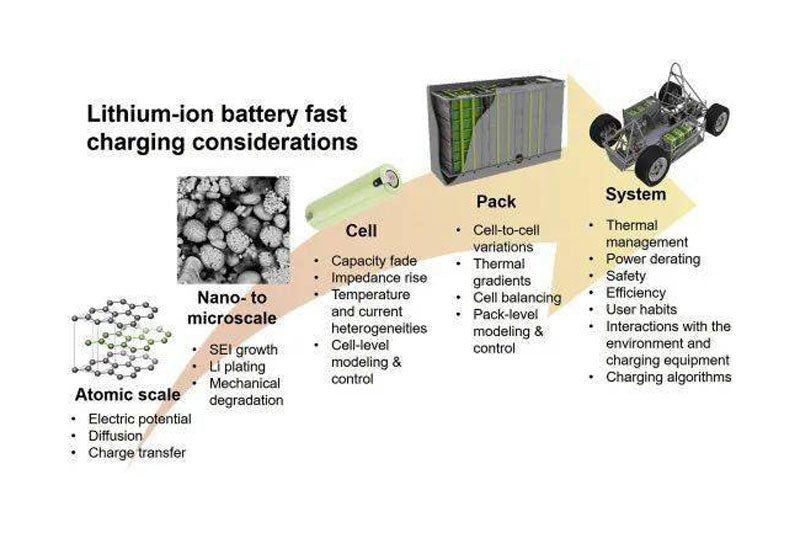
A LiPo (Lithium Polymer) battery stores energy by moving lithium ions between two electrodes:
- The graphite anode
- The lithium metal oxide cathode
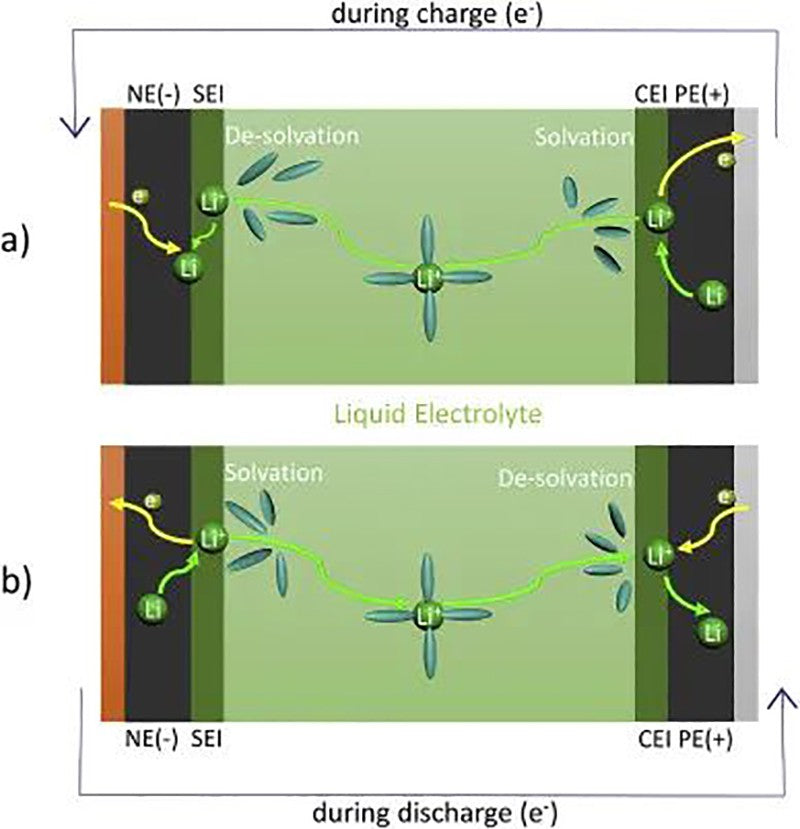
During charging:
- Lithium ions move from the cathode to the anode
- Electrons flow through the external circuit
- Lithium ions become embedded inside the graphite structure
Under normal charging conditions, this process is relatively stable and efficient.
However, when charging current increases significantly, the battery begins experiencing internal stress that is often invisible from the outside.
2. Why Fast Charging Generates Heat
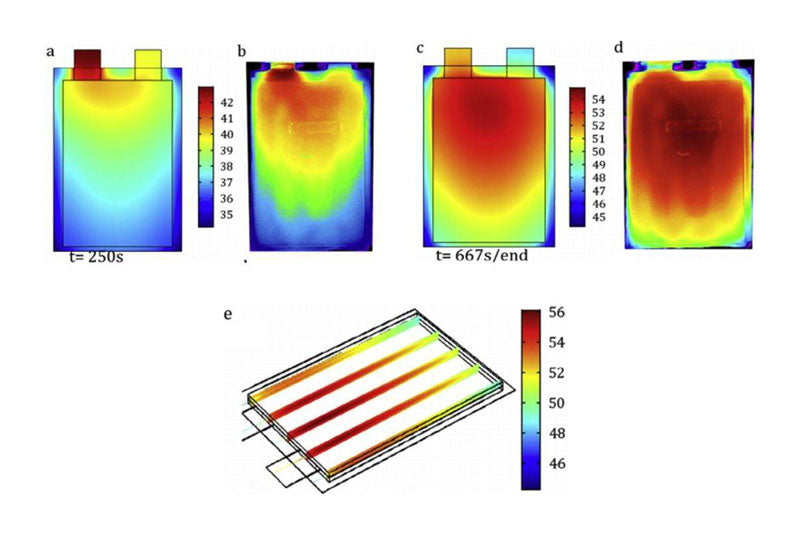
One of the first things that happens during fast charging is heat generation.
The main source is internal resistance.
Every battery cell has resistance inside:
- electrode resistance
- electrolyte resistance
- separator resistance
- contact resistance
As charging current rises, heat generation increases rapidly.
The relationship follows:
P = I^2R
This means:
- doubling charging current creates roughly four times more heat
That heat begins accumulating inside the cell layers faster than it can escape.
In small consumer devices this may only create mild warming.
In high-density drone packs or tightly packed battery enclosures, temperatures can rise surprisingly fast.
3. Lithium Plating: The Hidden Danger
One of the most important risks during fast charging is lithium plating.
Under ideal conditions, lithium ions smoothly insert themselves into the graphite anode.
But during aggressive charging, the graphite structure cannot absorb lithium ions fast enough.
Instead of entering the graphite layers, metallic lithium starts depositing on the anode surface.
This is called lithium plating.
The problem is serious because metallic lithium is unstable and irreversible.
Once plating occurs:
- battery capacity permanently decreases
- internal resistance increases
- cycle life shortens
- safety risks increase
In severe cases, lithium dendrites may form.
These needle-like metallic structures can pierce the separator and create internal short circuits.
4. Why Fast Charging Becomes Worse at Low Temperatures
Temperature has a massive effect on charging behavior.
At low temperatures:
- electrolyte viscosity increases
- ion mobility decreases
- diffusion slows down
As a result, lithium ions move more slowly inside the cell.
If high charging current is still applied, the anode becomes overloaded much more easily, dramatically increasing the chance of lithium plating.
This is why many battery manufacturers limit charging below certain temperatures.
Charging a cold LiPo pack aggressively is one of the fastest ways to reduce battery lifespan.
5. The SEI Layer Starts Changing
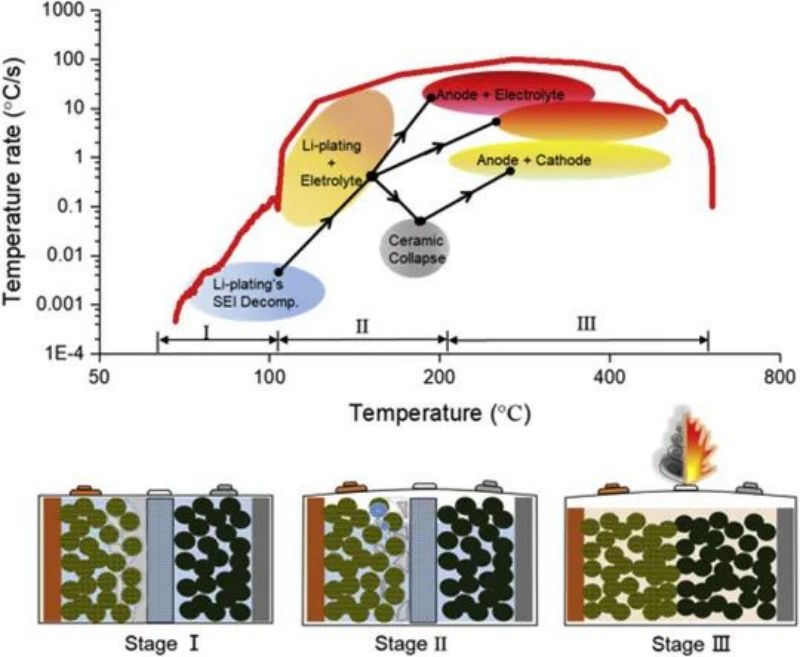
Another critical process happens at the microscopic level.
On the surface of the graphite anode is a thin protective film called the Solid Electrolyte Interphase (SEI).
The SEI layer is essential because it:
- stabilizes the electrolyte
- protects the anode
- allows lithium ions to pass through
However, fast charging stresses this layer.
High current and elevated temperature can cause:
- SEI thickening
- cracking
- uneven growth
As the SEI becomes damaged, internal resistance rises and more energy turns into heat.
This creates a feedback loop:
- more heat
- more degradation
- even higher resistance
Over time, the battery begins showing:
- voltage sag
- reduced capacity
- swelling
- shorter runtime
6. Why Some LiPo Batteries Puff After Repeated Fast Charging
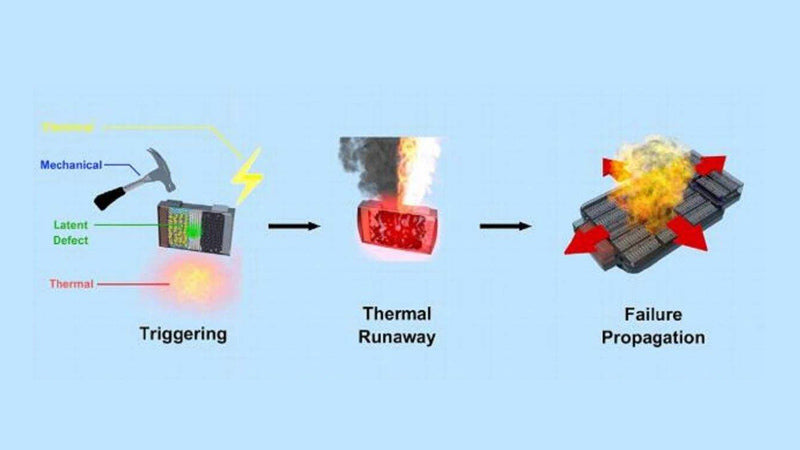
Battery swelling is often linked to gas generation inside the cell.
Fast charging accelerates unwanted side reactions in the electrolyte.
These reactions can generate gases such as:
- carbon dioxide
- hydrocarbons
- other decomposition products
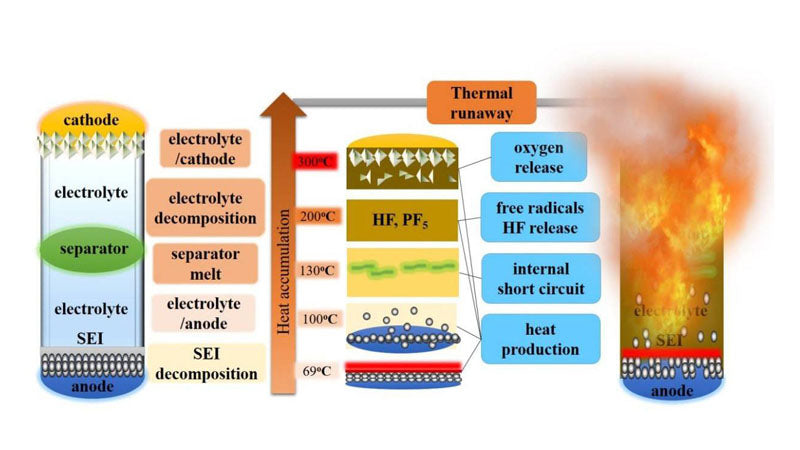
Since LiPo pouch cells are sealed, gas buildup causes the pack to expand.
This is the “puffing” commonly seen in older drone or RC batteries.
Puffing is not just cosmetic damage.
It usually indicates:
- electrolyte decomposition
- internal chemical aging
- rising internal resistance
Once significant swelling appears, the pack is already experiencing irreversible degradation.
7. Why Some Batteries Handle Fast Charging Better Than Others
Not all LiPo batteries respond the same way to fast charging.
High-quality cells often include:
- lower internal resistance
- better electrolyte formulations
- improved separator materials
- tighter manufacturing tolerances
- more stable electrode coatings
Cell matching also matters in multi-cell packs.
If one cell has slightly higher resistance, it may heat faster and reach full voltage earlier than neighboring cells.
Over time this imbalance becomes more severe during repeated fast charging cycles.
This is one reason premium battery packs tend to survive aggressive use much longer than cheaper alternatives.
8. The Constant Current and Constant Voltage Stages
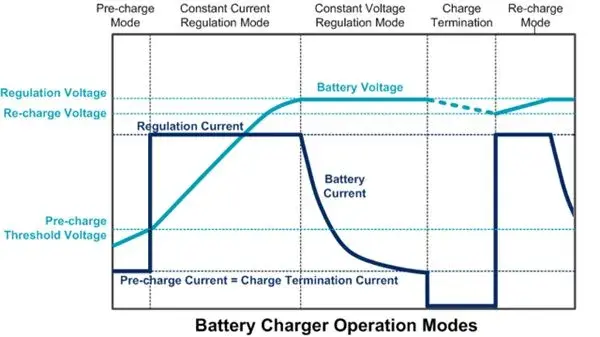
Most LiPo chargers use a CC/CV charging method.
The charging process typically has two stages:
Constant Current (CC)
The charger delivers a fixed current while battery voltage rises.
This is where most heat generation occurs during fast charging.
Constant Voltage (CV)
Once the cell reaches its voltage limit, usually:
4.2V
The charger switches to constant voltage mode.
The current gradually decreases as the battery approaches full charge.
The final percentage of charging is intentionally slower because the battery becomes increasingly sensitive near maximum voltage.
9. Engineering Trade-Offs Behind Fast Charging
Fast charging is ultimately a compromise between:
- convenience
- thermal stress
- cycle life
- safety
Higher charging current reduces downtime, but it also accelerates:
- chemical aging
- resistance growth
- electrolyte breakdown
- mechanical stress inside the electrodes
This is why many industrial battery systems intentionally avoid extreme charging speeds even when technically possible.
Battery engineers often prioritize:
- longevity
- thermal stability
- predictable degradation behavior
over the maximum charging speed.
10. Practical Design Considerations for Makers
For engineers and DIY builders working with LiPo systems, several practices help reduce fast-charging damage:
Avoid Charging Cold Packs
Allow batteries to warm closer to room temperature before charging aggressively.
Improve Thermal Management
Airflow and heat dissipation become increasingly important at higher charging currents.
Use Proper Cell Matching
Poorly matched cells age unevenly under fast charging stress.
Avoid Constant 100% Charging
Keeping LiPo cells at maximum voltage for long periods accelerates degradation.
Monitor Internal Resistance
Rising internal resistance is often an early warning sign of aging or damage.